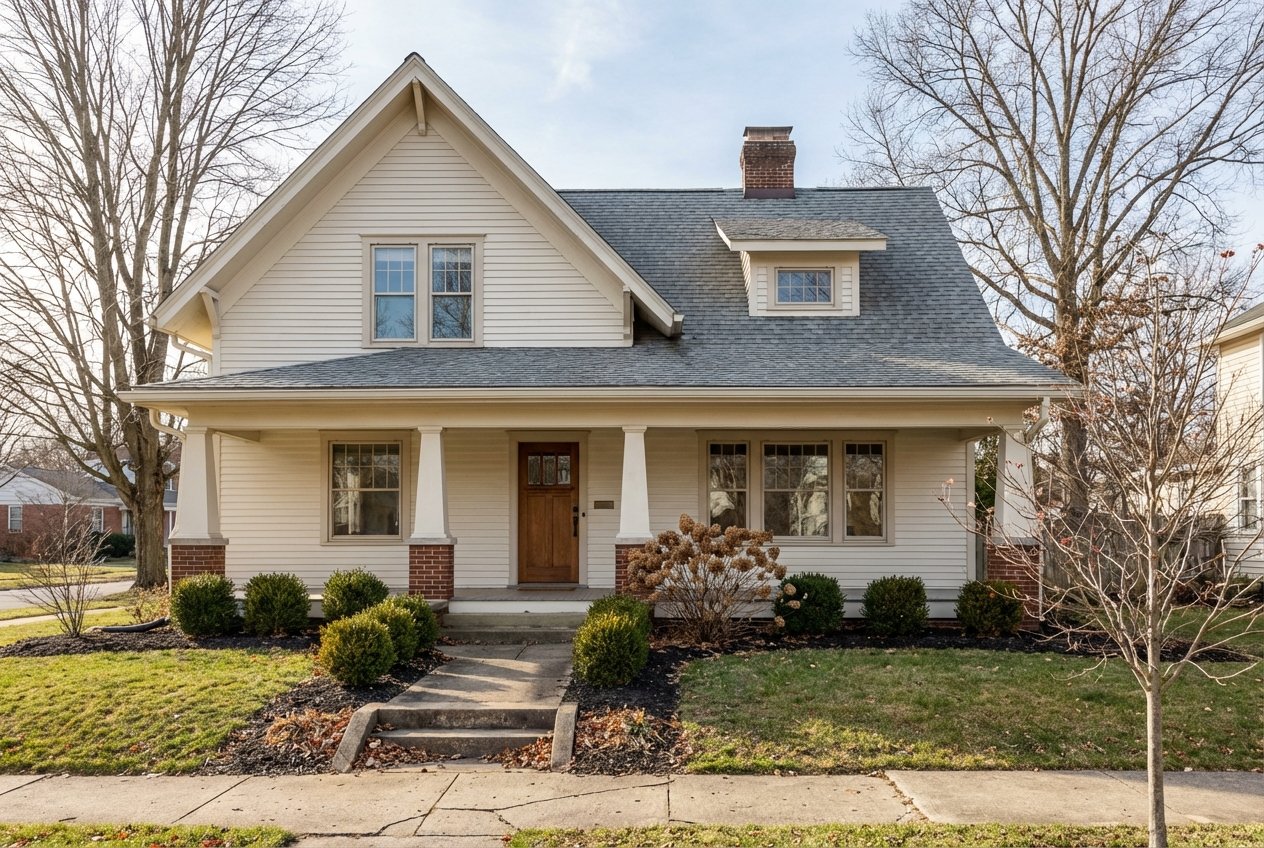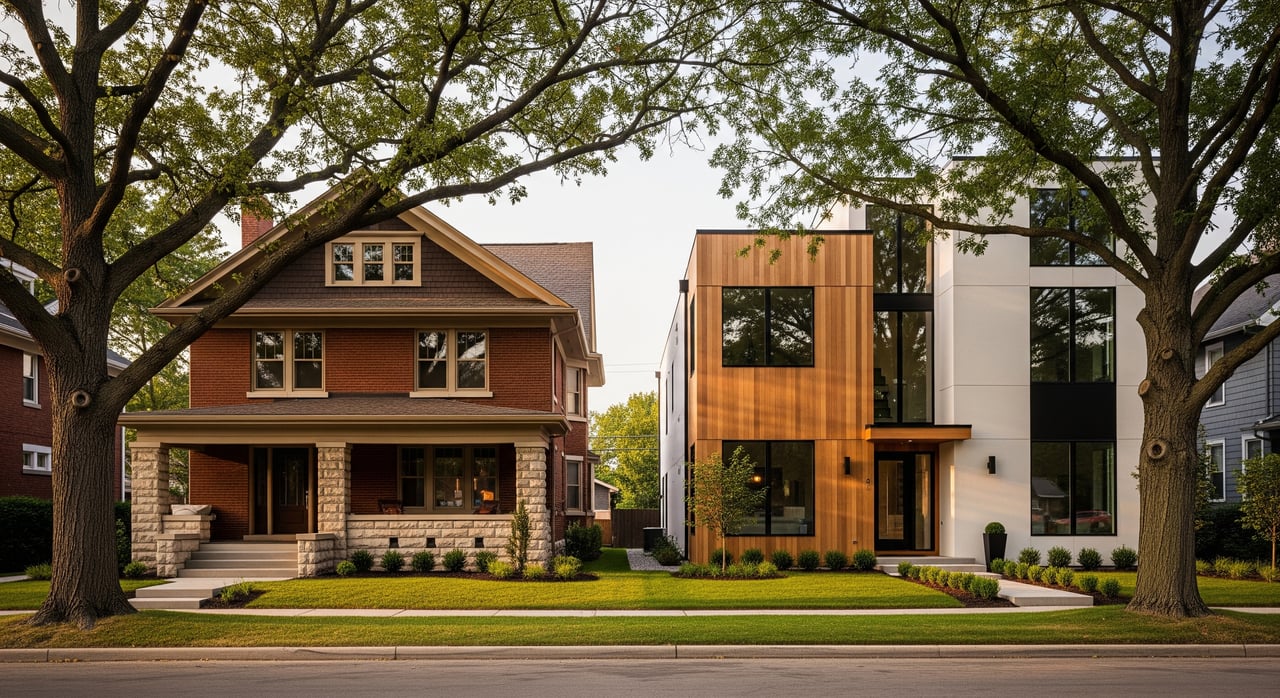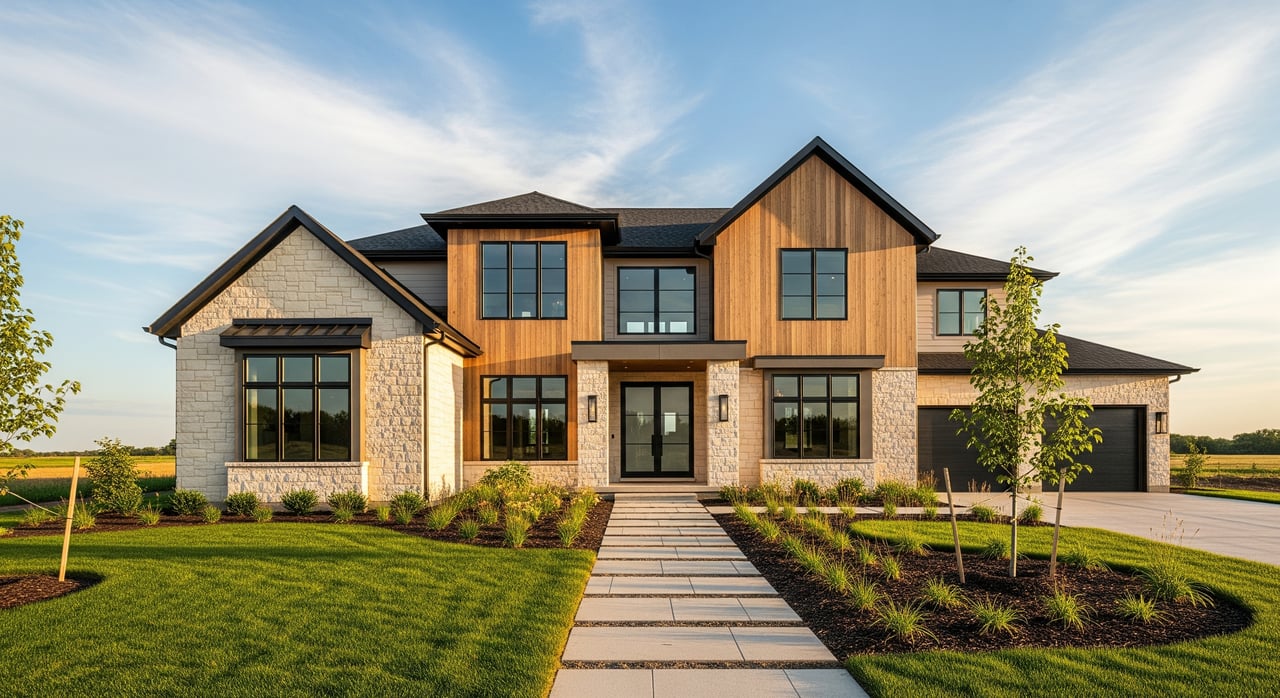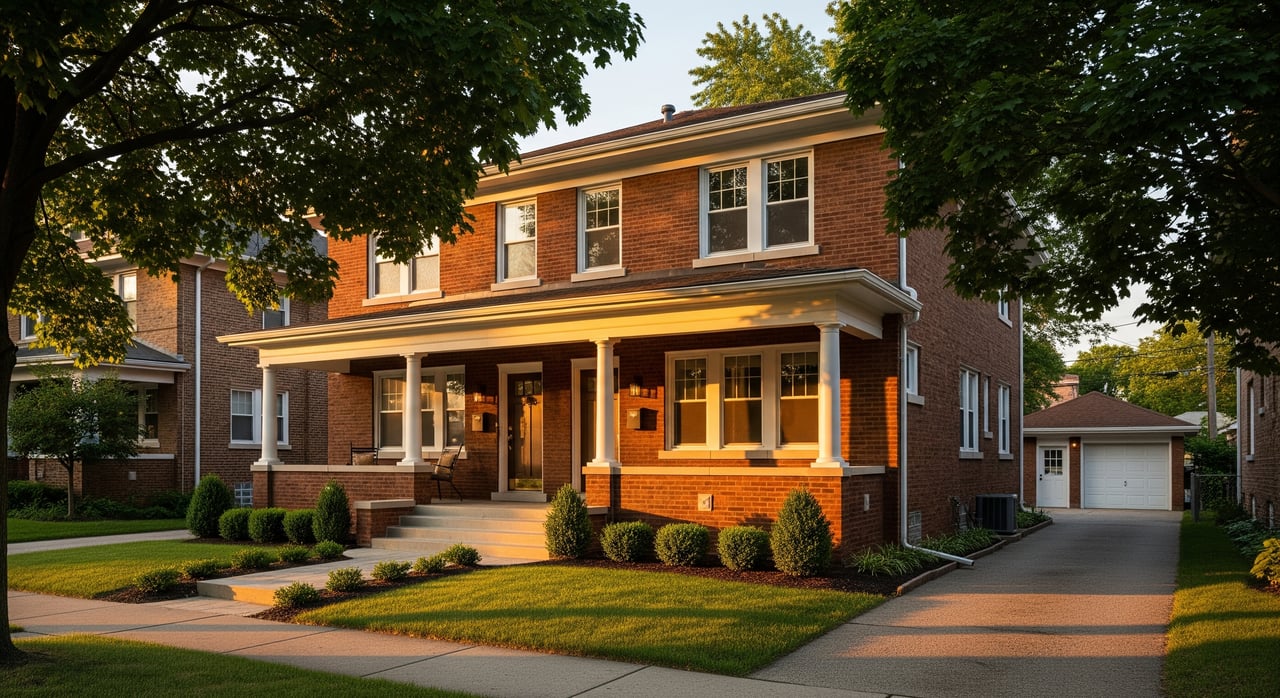
Thinking about your first rental in Bradley but unsure where to start? You are not alone. Small rentals can build steady cash flow if you buy the right property, run conservative numbers, and plan for management. This guide gives you a clear path for finding duplexes and single-family rentals in Bradley, estimating income and expenses, and making confident decisions. Let’s dive in.
Why Bradley works for small rentals
Bradley sits in Kankakee County with close ties to city employment in Kankakee and commuting access to larger job centers. That mix helps support a steady renter pool for small homes and duplexes. Housing here includes many mid- to late-20th-century properties, which can keep purchase prices attainable for first-time investors.
You will find both long-term tenant demand and a range of property ages. Older homes often need thoughtful maintenance planning, while newer builds can command higher prices. As an investor, your edge is knowing which streets and property types fit your numbers and your style of management.
What to buy in Bradley
For small portfolios, the most common opportunities are:
- Single-family homes with 2 to 3 bedrooms and 1 to 2 baths
- Duplexes with side-by-side or up-down layouts
Look for floor plans that appeal to the widest tenant pool. Two- and three-bedroom homes with functional kitchens, in-unit laundry, and off-street parking tend to rent more consistently. If utilities are separately metered in duplexes, that can simplify billing and improve your net.
Focus on mechanical systems and roofs. In towns with mid-century housing, the age and condition of HVAC, water heaters, electrical, plumbing, and roofing have a large impact on your first five years of ownership. Prioritize solid bones over cosmetic finishes.
Where to find deals
You can uncover opportunities through several channels:
- Local MLS access with a buyer’s agent who knows Bradley and Kankakee County
- Online listing platforms by setting alerts for “duplex” and your price range
- Local Facebook groups and Craigslist for FSBO and off-market leads
- County records for absentee-owner lists and recorded pre-foreclosure notices
- Conversations with local property managers and investor meetups
Cast a wide net, then apply disciplined screening. Track asking price, expected rent by bedroom count, property tax history, age of major systems, and zoning or licensing requirements.
How to estimate rent in Bradley
Start with five to ten rental comps within a 1 to 2 mile radius of your target property. Match by bedroom and bath count, parking, and condition. Adjust for updates, utilities included, and outdoor space.
Cross-check your findings with a few different sources and a property manager’s take on current effective rents. In small markets, advertised rent can differ from actual leased rent if concessions are common. Aim to establish a conservative range for each bedroom type you plan to target.
Budget key operating costs
Your pro forma should include realistic line items. Build your budget around these categories:
- Property taxes. Illinois property taxes are relatively high compared with the national average. For each property you evaluate, verify the current assessed value and tax bill through county resources.
- Insurance. Get landlord policy quotes tied to age, construction type, and coverage level.
- Property management. Expect roughly 8 to 12 percent of gross rent for ongoing management, plus a leasing fee. Shop services and pricing locally.
- Utilities. If you pay any utilities, pull owner-of-record histories when available. Water, sewer, trash, and common-area electric can add up.
- Maintenance and repairs. A common baseline is 1 percent of the property’s value per year. Older homes may require 2 to 3 percent.
- Capital reserves. Set aside funds for roof, HVAC, and major appliance replacements on multi-year cycles.
- Vacancy. Use 5 to 10 percent of gross rent unless local data supports a different figure.
Being conservative on expenses protects your downside and helps you stay cash-flow positive through turnovers and repairs.
Run the numbers: example duplex
Below is a simple example to show how the math works. Replace the figures with current Bradley rents, taxes, and your lender’s terms.
Assume a duplex purchase price of 140,000 dollars.
- Unit rents: 900 dollars per month for each unit, total 1,800 dollars per month. Gross Scheduled Income equals 21,600 dollars per year.
- Vacancy at 8 percent: 1,728 dollars. Effective Gross Income equals 19,872 dollars.
- Operating expenses, annual estimates:
- Property tax: 2,500 dollars
- Insurance: 900 dollars
- Management at 10 percent of gross rent: 2,160 dollars
- Maintenance reserve at 1.5 percent of purchase price: 2,100 dollars
- Owner-paid utilities: 600 dollars
- Miscellaneous or HOA: 500 dollars
- Total operating expenses: 9,760 dollars
- Net Operating Income equals 19,872 minus 9,760 which is 10,112 dollars.
- Cap rate equals 10,112 divided by 140,000 which is about 7.2 percent.
- Financing example: 25 percent down equals 35,000 dollars. Loan amount 105,000 dollars at an assumed 6 percent for 30 years with annual debt service about 7,567 dollars.
- Cash-on-cash return equals (NOI minus debt service) divided by cash invested. If closing and initial repairs are 5,000 dollars, total cash in is 40,000 dollars. Cash-on-cash equals 2,545 dollars divided by 40,000 which is about 6.36 percent.
Adjust one input at a time to see sensitivity. A 50 dollar change in monthly rent per unit, a point of vacancy, or a shift in financing terms can move returns meaningfully.
Plan for vacancy and turnover
Vacancy planning is a core skill. Budget 5 to 10 percent vacancy unless local data points to a tighter or looser market. Screen thoroughly, communicate clearly, and respond quickly to maintenance requests to reduce turnover.
Turn costs vary by condition and scope. Cosmetic turns might run 500 to 1,500 dollars for cleaning, touch-up paint, and minor fixes. Moderate refreshes with flooring or appliance changes can reach 1,500 to 5,000 dollars. Include lost rent for any downtime in your model.
Decide management approach
You can self-manage or hire a local property manager. Each option has trade-offs.
- Self-managing can improve cash flow but demands time and reliable contractors. You will handle leasing, rent collection, maintenance calls, and legal compliance.
- Professional management reduces day-to-day workload and can help with pricing, marketing, screening, and compliance. Compare service menus, fees, and communication style, then budget accordingly.
For duplexes, proximity helps. If you live nearby and have flexible availability, self-management may be feasible, especially with a strong vendor list.
Know local rules and resources
Before you close, confirm local requirements. Check zoning and permitted uses for duplexes and single-family rentals with the Village of Bradley. Ask whether any inspections, occupancy certificates, rental registrations, or parking rules apply.
Review county property tax assessments through Kankakee County resources and confirm due dates and payment methods. If the property is in a subdivision with an HOA, request covenants and any rental policies.
Stay aligned with Illinois landlord-tenant laws and federal Fair Housing rules. For homes built before 1978, follow lead-based paint disclosure and safety guidance. Keep documentation organized so you can respond quickly to questions from prospective tenants.
Your step-by-step Bradley checklist
Use this quick framework to move from interest to confident offer:
- Pull current median sale prices and 12-month trends for Bradley from trusted data sources. Create a short list of target price ranges by property type.
- Gather 5 to 10 rental comps for the bedroom counts you want. Note rent ranges, utilities included, condition, and days on market.
- Verify property taxes with the county for any address you evaluate. Do not rely on estimates.
- Get insurance quotes and request owner-of-record utility histories when possible. Add realistic maintenance and capital reserves based on age.
- Run the deal math. Model cap rate, NOI, and cash-on-cash with your lender’s current rate and terms. Stress-test with slightly lower rent and slightly higher expenses.
- Inspect major systems before closing. Obtain quotes for immediate and near-term work, and adjust your reserves.
- Choose a management plan. If hiring a manager, confirm fees, lease-up costs, and reporting. If self-managing, build your vendor list now.
- Confirm zoning, any rental licensing, and occupancy requirements with the Village of Bradley. Keep written confirmations for your records.
Ready to invest in Bradley?
If you want a second set of eyes on a property or need help sourcing duplexes and single-family rentals, you do not have to figure it out alone. With local market knowledge and investor-focused representation, you can move from research to keys with confidence. To review deals, line up comps, and craft a clear purchase plan, reach out to Annie Mitchell for a free consultation.
FAQs
What property types work best for small rentals in Bradley?
- Two- to three-bedroom single-family homes and straightforward duplex layouts typically draw the widest tenant pool and are easier to manage and finance.
How should I estimate rent for a Bradley duplex or house?
- Collect five to ten nearby comps matched by bedrooms, baths, and condition, then cross-check with multiple sources to set a conservative rent range.
What vacancy rate should I use in my pro forma for Bradley?
- A 5 to 10 percent vacancy allowance is a prudent baseline, adjusted up or down once you verify current local conditions.
What operating expenses do first-time landlords often miss?
- Common misses include rising property taxes, owner-paid utilities, leasing fees, and adequate reserves for major items like roofs and HVAC.
Should I self-manage a Bradley duplex or hire a manager?
- If you live nearby and have time and vendors, self-management can work; otherwise, budget for professional management at roughly 8 to 12 percent of gross rent plus leasing fees.
What inspections matter most for older Bradley homes?
- Prioritize roof, foundation, HVAC, electrical, plumbing, and any signs of water intrusion, and follow lead-based paint rules for pre-1978 homes.