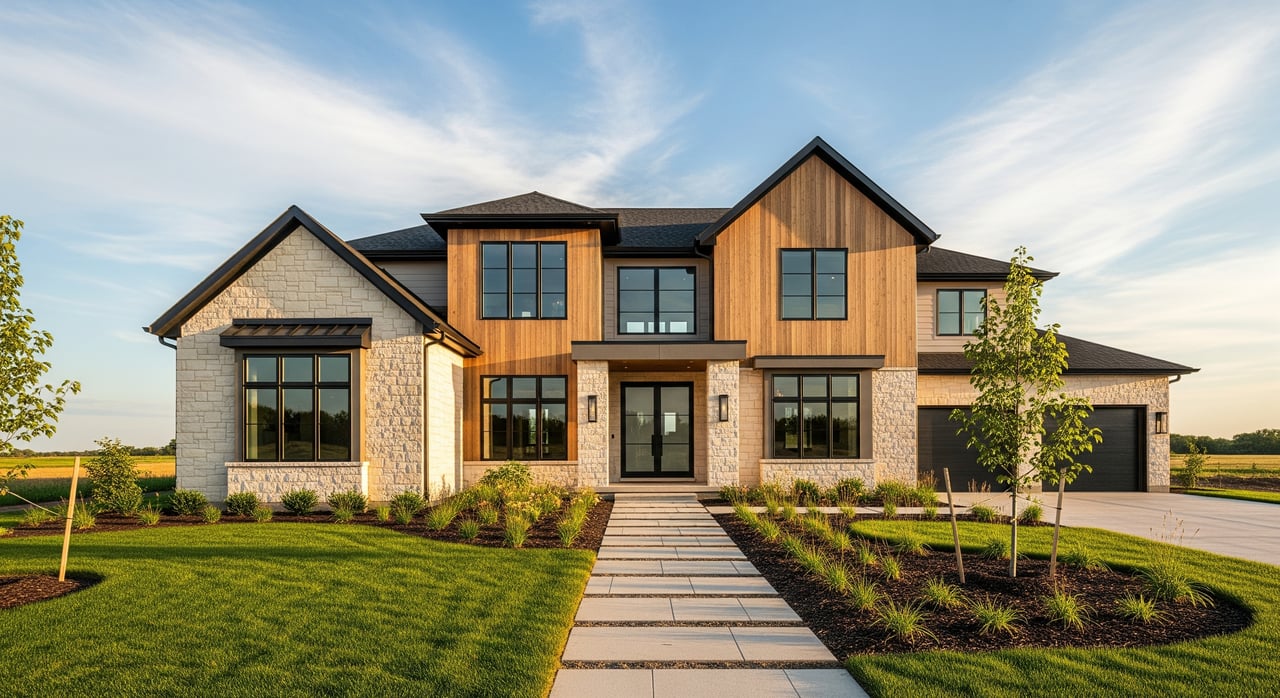
Thinking about building new in Monee but not sure where to start? You’re not alone. Weighing resale against new construction can feel overwhelming when you add zoning, permits, financing, and timing into the mix. This guide walks you through each step, from picking the right lot to holding the keys, with local insights for Monee and greater Will County. Let’s dive in.
The new build roadmap
Plan before you shop
Set a realistic budget and get pre-approved. Decide if you will sell your current home before building or hold it and use bridge or construction financing. Identify neighborhoods and school district boundaries that fit your goals and commute.
Select the lot and do due diligence
Confirm the parcel’s jurisdiction, zoning, and permitted uses. Review title, plat, soils, utilities, and any subdivision rules. Verify floodplain status and stormwater requirements so your plan and budget stay on track.
Choose a builder and a plan
Compare model-home packages against semi-custom or custom options. Clarify allowances and upgrade pricing, and document how change orders will work. Confirm builder licensing, insurance, references, and warranty coverage.
Secure permits and prep the site
Your builder or architect will submit plans to the Village of Monee or Will County, depending on jurisdiction. After plan review and payment of permit and tap or impact fees, site work begins. Expect footing and foundation first, then framing.
Track milestones and inspections
Inspections usually occur at footing, foundation waterproofing and backfill, framing, rough mechanicals, insulation, and final. Coordinate independent inspections where you want extra assurance. Keep timelines updated as trades progress.
Close, move in, and manage warranty
After final inspections and Certificate of Occupancy, you close and receive keys. Complete your punch list and document warranty items. Keep records for future service and resale.
Pick the right lot in Monee
Know your jurisdiction
Lots inside the Village of Monee typically permit through the Village building and zoning department. Unincorporated parcels are handled by Will County, and septic or well approvals go through the Will County Health Department. Verify who governs the parcel before you write an offer.
Utilities and septic planning
Many Monee subdivisions have municipal water and sanitary sewer, which usually come with tap and meter fees. Rural or unplatted parcels may require a private septic system and well with health-department approvals. Get written utility availability and hookup cost estimates early.
Floodplain and stormwater
Check FEMA flood maps and local stormwater rules for any floodplain, detention, or grading requirements. Your plan may need specific drainage solutions. Confirm if any stormwater fees apply to your project.
Title, plat, and easements
Order a title commitment and review the recorded plat for utility or drainage easements that limit your building envelope. Ask for a current survey showing setback lines and topography. This helps avoid surprises when staking the foundation.
Soil and drainage realities
Illinois soils and seasonal groundwater can affect foundation type and waterproofing. A soils or geotechnical report is smart, especially if you want a basement. If groundwater is high, deeper footings or enhanced waterproofing can add cost.
CC&Rs and HOA rules
Many subdivisions set architectural standards and review processes. These rules can affect exterior materials, elevations, driveways, and landscaping. Review the documents so your desired plan and finishes are allowed.
Lot checklist to use
- Confirm zoning and permitted uses with the correct office.
- Order a title commitment and review easements and restrictions.
- Get a plat of survey with setbacks, building envelope, and contours.
- Obtain or confirm a soils report for foundation and drainage design.
- Check FEMA flood maps and any local floodplain or wetland requirements.
- Verify utility availability and request written tap and hookup estimates.
- Read CC&Rs, HOA rules, and architectural review steps.
- Ask about infrastructure timelines if the subdivision is still developing.
Annie in action: Lot selection example
A move-up buyer wants a walk-out lot in a new Monee subdivision. Annie confirms zoning and utilities, orders title and survey, coordinates a soils report, and gets written tap fee quotes. She negotiates a contract clause that addresses unexpected foundation costs. The buyer selects a lot with confirmed sewer and water and avoids a high-groundwater parcel that would have added expense.
Choose and manage your builder
Due diligence essentials
Verify licensing, liability and workers’ compensation insurance, and any local registrations. Ask for recent references in Will County and tour finished homes. Review warranty terms in writing, including typical coverage such as 1-year workmanship, 2-year mechanical, and 10-year structural.
Contract points that protect you
Get a detailed scope of work listing plans, materials, allowances, site work, driveway, grading, and utility connections. Define the change-order process, including who approves, how costs are calculated, and how schedules shift. Align the draw schedule with inspection milestones, and set a realistic completion date with remedies for delays when appropriate.
Quality control and inspections
Consider independent inspections at key moments like pre-drywall and final. Confirm who schedules municipal inspections and how lender milestones tie to draws. Keep an organized record of site photos, approvals, and punch-list items.
Annie in action: Builder and contract example
A buyer favors a local builder but is unsure about allowances. Annie gathers references and sample contracts, then walks the buyer through inclusions, upgrade pricing, and the draw schedule. She adds language requiring written approval for change orders and recommends a pre-drywall inspection so expectations stay clear.
Financing and permits in Will County
Construction loan choices
- Construction-to-permanent loans convert to a mortgage at completion and usually offer a single closing with interest-only payments during construction.
- Stand-alone construction loans require a separate permanent mortgage later, which adds complexity and cost.
- Lot loans can make sense if you purchase land first, though down payments are often higher.
- FHA and VA have construction options when lenders and builders meet program requirements. Many local lenders also partner with preferred builders for streamlined programs.
Typical requirements include a larger down payment, builder approval by the lender, and a detailed cost breakdown. If you need proceeds from your current home, plan for contingencies, bridge financing, or interim housing.
Permits and inspection sequence
Your builder submits plans for review to the Village of Monee or Will County, based on jurisdiction. After plan approval and payment of permit, tap, and any impact fees, the building permit is issued. Common inspections include footing and foundation, framing, rough mechanicals, insulation, and final inspections prior to the Certificate of Occupancy.
Utilities, tap fees, and impact fees
Budget for water and sewer tap and meter charges where municipal services exist. For electric, gas, and broadband, coordinate early to lock in service routes and fees. Stormwater compliance may require specific grading plans or contributions, depending on local ordinance.
Taxes and assessment
New construction is assessed after completion, which typically increases property taxes based on the new improvement value. In some cases, special assessments may apply to infrastructure. Ask early so you can plan for future escrow changes.
Annie in action: Financing and timing example
Buyers need equity from their current home for the new build deposit. Annie coordinates with their lender on a draw schedule and explores bridge financing. She times the listing, adds clear contingency language, and negotiates a rent-back if needed so the build and sale stay aligned.
Timeline and budget planning
Typical timeline ranges
- Lot closing and prep: 2 to 8 weeks.
- Plan review and permit: 2 to 8 or more weeks.
- Site prep and foundation: 2 to 6 weeks.
- Shell and framing: 3 to 8 weeks.
- Rough mechanicals and inspections: 2 to 4 weeks.
- Interior finishes and final inspections: 6 to 12 or more weeks.
A typical production single-family home in the suburban Chicago area often runs 6 to 9 months from groundbreaking to Certificate of Occupancy. Custom builds often take 9 to 12 or more months. Add permit and plan-review time before digging.
Common cost drivers
- Lot premiums for cul-de-sac, corner, or view lots.
- Utility hookups and tap or impact fees.
- Foundation design, waterproofing, and groundwater conditions.
- Finished basement versus crawlspace.
- Upgrades and allowances for kitchens, baths, flooring, and mechanicals.
- Driveway, landscaping, and final grading, which are not always included.
Resale vs new-build tradeoffs
New builds offer modern plans, energy efficiency, and warranties, along with the ability to select finishes. The tradeoff is time and the potential for cost increases from changes or site conditions. New neighborhoods may lack mature landscaping, and long-term desirability can depend on future development and amenities.
Strategies for move-up buyers
- Sell first and rent temporarily to avoid bridge financing, then build with fewer contingencies.
- Use a contingent contract paired with financing strategies to close gaps.
- Time your listing near expected Certificate of Occupancy and leave room for delays.
Annie in action: Walkthrough and warranty example
At the final walkthrough, a buyer flags punch-list items and HVAC questions. Annie documents everything with photos, confirms completion timelines and any holdbacks, and coordinates a follow-up inspection. She files warranty requests when deadlines are missed so the buyer’s service record is clear.
From lot to keys with a guide
Building in Monee can be a smart move when you plan well and partner with the right team. With clear due diligence, a strong contract, the right loan structure, and steady oversight, you can move from lot to keys with confidence. If you want a local, design-aware partner to help you compare lots, vet builders, and manage the steps, reach out to Annie Mitchell. Schedule a Free Consultation.
FAQs
How long does a new build in Monee usually take?
- Typical production builds take 6 to 9 months after groundbreaking, and custom homes often run 9 to 12 or more months, plus 2 to 8 or more weeks for plan review and permits.
Will my Monee lot need septic or a well?
- It depends on the parcel; many subdivisions have municipal water and sewer, while rural or unincorporated lots may need private septic and a well with health-department approvals.
What permits and inspections should I expect?
- Plan review and a building permit are standard, with inspections typically at footing, foundation, framing, rough mechanicals, insulation, and final before the Certificate of Occupancy.
How do construction loan draws work with my lender?
- Lenders release funds in draws tied to milestones like footing and framing after inspections, and you usually pay interest only on the amount drawn during construction.
How can I avoid cost overruns during construction?
- Lock in allowances, limit late change orders, document upgrade pricing in the contract, and keep a 5 to 10 percent contingency for site and selection surprises.
What builder warranties are typical on new homes?
- Many builders offer 1-year workmanship, 2-year mechanical, and 10-year structural coverage, but you should get the exact warranty terms in writing.