If you’ve ever walked past a porch swing on a tree-lined street and thought, “This is the one,” Riverview might be calling your name. Buying a historic home here means character, craftsmanship, and a direct tie to Kankakee’s story. It also means doing your homework so the charm you love comes with fewer surprises. In this guide, you’ll learn what makes Riverview special, what to inspect, how permits and incentives work, and how to plan a preservation-minded renovation. Let’s dive in.
Why Riverview draws historic-home buyers
Riverview is a National Register of Historic Places district of roughly 78 acres with more than 100 contributing buildings. Its period of significance spans the late 19th and early 20th centuries, and you’ll see Late Victorian, Prairie School, and Craftsman influences throughout. The district’s boundaries include River and Eagle Streets and Wildwood Avenue near the Kankakee River, creating a walkable residential pocket with mature landscaping and broad lots. You can read a concise overview in the National Register summary for the Riverview Historic District.
Architecture lovers also come for the two early Frank Lloyd Wright houses: the B. Harley Bradley House, which welcomes visitors for tours, and the neighboring Warren Hickox House, a private residence. If you want to experience the Prairie style up close, explore Bradley House tour information.
A neighborhood association supports events, restoration culture, and small-scale exterior reimbursement programs that help residents preserve curb appeal. That community spirit is a big reason buyers feel connected here.
What to expect in Riverview homes
Architectural styles and character
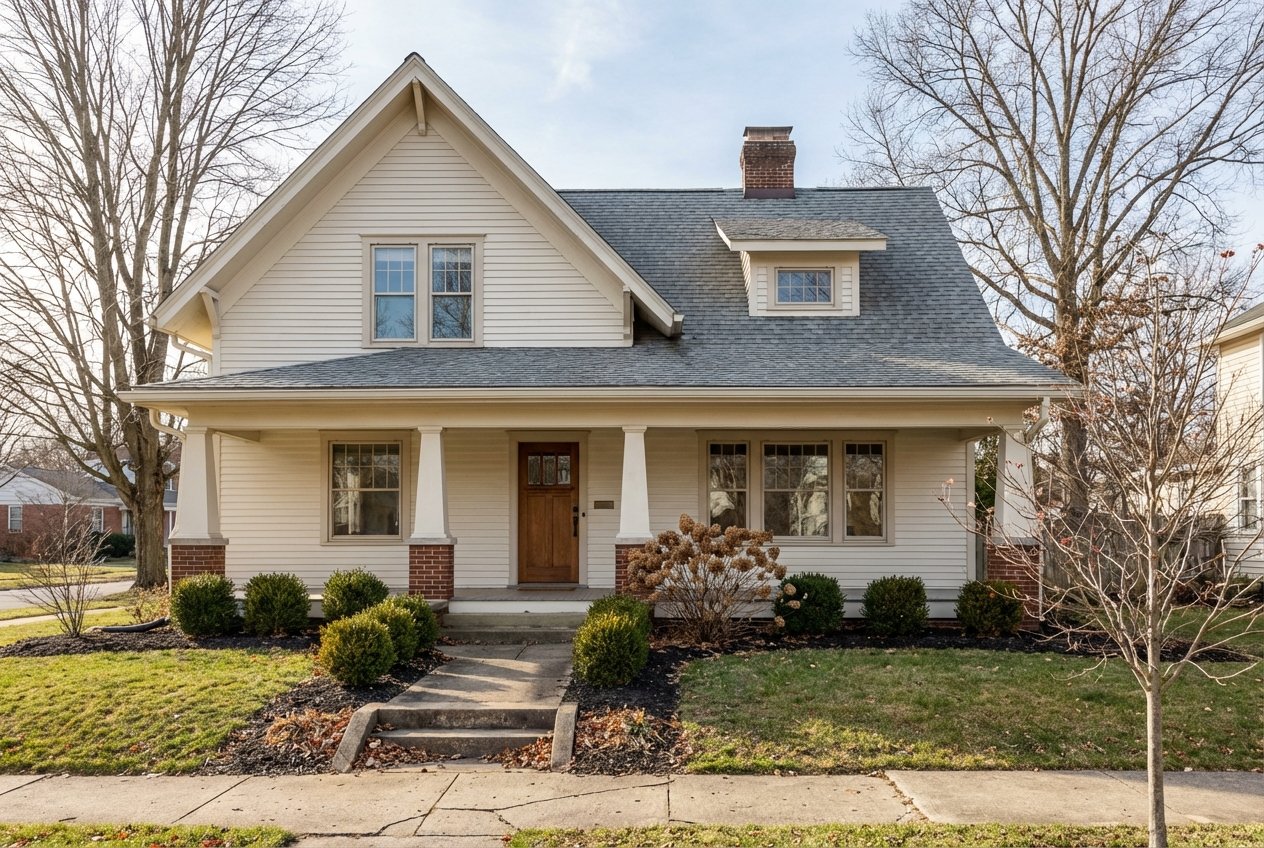
You’ll find broad porches, original millwork, plaster walls, leaded or stained glass, hardwood floors, and brick or stucco exteriors. Many homes feature historic windows, masonry chimneys, and deep lots with established trees. These features are often considered character-defining and worth preserving.
Common systems and condition items
Historic homes can include aging systems and materials that need careful evaluation. In this era you may encounter older electrical like knob-and-tube or undersized panels, galvanized or cast-iron plumbing, single-pane windows with air leakage, plaster cracks, mortar deterioration, and aging roofs or chimney liners. Repairs that respect historic materials often require specialized trades and higher budgets. A practical primer on common older-home defects is available from InspectAPedia’s historic home inspection guide.
Health and environmental checks
If the home was built before 1978, assume potential lead-based paint and consider testing. There may also be asbestos-containing materials like boiler pipe wrap or floor tile adhesives in older houses. Kankakee County is in a moderate predicted radon zone, so a radon test is a smart step for every buyer. See county-level summaries on radon zones in Illinois.
Smart inspections and due diligence
A thoughtful inspection plan protects your budget and preserves what makes the home special. Build the following into your offer and timeline as contingencies when possible:
- Full home inspection by a pro who knows older homes. Ask about structure, roofing, HVAC, plumbing, electrical, drainage, and visible deterioration. Start with a generalist, then bring in specialists as needed. See a helpful overview in InspectAPedia’s guide to historic-home inspections.
- Structural review with an engineer if your inspector flags foundation settlement, framing damage, or masonry movement. These issues can impact financing and long-term costs.
- Electrical audit by a licensed electrician to confirm panel capacity, grounding, and the presence of knob-and-tube or obsolete panels. Lenders and insurers often require remediation of hazardous systems.
- Plumbing and sewer-line scope if cast-iron or galvanized lines are likely. Sewer replacements can be costly, so a video scope is money well spent.
- Chimney, roof, and masonry checks by qualified contractors. Evaluate mortar, flue liners, crowns, flashing, and any active leaks.
- Lead-based paint risk assessment or testing for pre-1978 homes. Federal rules require that buyers receive lead-disclosure materials and have a 10-day opportunity to test unless waived. Review the EPA’s lead disclosure guidance for real estate.
- Asbestos sampling if you plan to disturb older insulation or adhesives during renovation. If you will disturb lead-painted or asbestos-containing materials, the EPA’s RRP rules require certified firms and lead-safe work practices. Learn more in the EPA’s Renovation, Repair and Painting Program.
- Radon testing. Short-term tests provide a quick snapshot, while long-term tests can offer a fuller picture.
- Specialty reports, if needed: a historic-structure condition report for major rehabilitation, an energy audit to plan comfort upgrades, and a wood-destroying organism inspection if indicated by the inspector.
Plan enough time in your contingency period for lab results and contractor bids. If serious issues arise, you can negotiate repairs or credits with the seller using professional reports to support your position.
Permits, approvals, and incentives
Local review and permits
Riverview functions as a community historic district with strong neighborhood stewardship and events rather than a strictly enforced city design-review overlay. Even so, standard municipal building permits still apply. Exterior work that changes character-defining features, like rooflines, windows, porches, or major masonry repointing, typically requires a permit. If a property is locally landmarked or in an area with a local overlay, a Certificate of Appropriateness may be required. Always verify which rules apply to your specific address with the City of Kankakee’s planning or community development team. For county-level historic-preservation context and FAQs, review the Kankakee County Historic Preservation information.
Tax credits and grants
- Federal historic tax credits of 20 percent generally apply to income-producing properties, not owner-occupied single-family homes. Illinois state programs and River Edge credits also have specific rules and often focus on income-producing projects. For a quick orientation to state programs and typical eligibility limits, see Novogradac’s state historic tax credit summary. Before counting on any credit, confirm current guidance with Illinois agencies or a tax professional.
- Neighborhood programs: Riverview’s association has offered small exterior restoration reimbursements for street-facing work. These modest grants can help with curb-appeal projects. Explore resident resources on the Riverview association’s grants and programs page.
Practical takeaway: if you are buying an owner-occupied single-family home, assume federal or state historic tax credits will not apply unless you confirm eligibility in writing with the state preservation office and tax authorities. Small local grants may help with visible exterior work.
Renovate with preservation in mind
A preservation-first approach protects both value and beauty. The National Park Service recommends repairing and retaining historic fabric whenever feasible and replacing in kind only when necessary. Get familiar with core guidance on windows, roofing, and masonry from the NPS Technical Preservation Services.
Here is a practical sequence that works well for older houses:
- Resolve water issues. Fix grading, gutters, downspouts, roof leaks, and flashing. Water is the top long-term threat to historic materials.
- Stabilize structure. Bring in a structural engineer to address foundation or framing issues before cosmetic work.
- Modernize safely. Update electrical capacity and heating systems to current safety standards. Insurers and lenders will expect it.
- Handle hazards first. Complete any required lead-safe or asbestos abatement before disturbing finishes. The EPA’s RRP rule outlines contractor responsibilities.
- Improve comfort sensitively. Add attic insulation, air seal key areas, and consider storm windows or weatherstripping that preserve original profiles.
Repair vs replace: windows as a model
Original wood windows are often repairable and can perform well with quality storms and weatherstripping. When replacement is unavoidable, match the original profiles and materials as closely as possible to respect the home’s character. For options and techniques, consult the NPS guidance on historic-window repair within the Preservation Topics.
Budgeting and timeline
Older homes often need higher near-term maintenance budgets due to specialized trades like masonry, plaster, stained glass, or historic roofing. Plan a realistic contingency of at least 10 to 20 percent of your renovation budget. Ask contractors for itemized estimates on priority items before you close, and use those estimates along with inspection findings to negotiate time, repairs, or credits. A solid overview of budgeting and common issues appears in InspectAPedia’s historic home guide.
Buyer checklist for Riverview
Use this quick list to keep your search focused and your purchase protected:
- Confirm historic status for the address and ask whether any local Certificate of Appropriateness requirements apply.
- Write your offer with a strong inspection contingency and time to complete specialized evaluations.
- Order a full home inspection plus any needed add-ons: structural engineer, electrical audit, sewer scope, chimney and roof checks, lead and asbestos testing, and radon testing.
- Request seller records for major systems, past permits, and any documentation of preservation work or tax-credit certifications.
- Consult a preservation-minded contractor or architect early if you plan significant work. Reference NPS materials for treatment approaches.
- Budget realistically for restoration and specialized trades. Keep a 10 to 20 percent contingency and get bids before closing when possible.
- Verify incentives with state agencies or a tax professional before you count on them. Look into small neighborhood grants for visible exterior work.
Local resources to bookmark
- Neighborhood programs and exterior grants: Riverview association residents’ page
- Overview of Riverview’s historic significance: National Register summary
- Tour one of Kankakee’s Prairie School landmarks: B. Harley Bradley House tours
- Preservation best practices and briefs: NPS Technical Preservation Services
- Lead disclosure rules for real estate: EPA lead disclosure
- Lead-safe renovation requirements: EPA RRP program
- Radon zone context for Kankakee County: Illinois radon zones
- County historic-preservation background and FAQs: Kankakee County Historic Preservation
- Orientation to historic tax credits and typical eligibility: Novogradac state HTC overview
Buying in Riverview is as much about stewardship as it is about style. With the right inspections, a clear plan for permits and preservation, and a realistic budget, you can protect the details that drew you in and enjoy a home that lives beautifully for decades. If you’re ready to explore historic homes with a local, design-aware advocate by your side, connect with Annie Mitchell to map your next steps.
FAQs
What is the Riverview Historic District in Kankakee?
- Riverview is a National Register-listed residential district of about 78 acres with more than 100 contributing buildings from the late 19th and early 20th centuries, known for Victorian, Prairie School, and Craftsman architecture.
Do you need special approval to renovate a Riverview home?
- Standard municipal permits apply, and exterior changes to character-defining features usually require permits; confirm whether a local overlay or landmark status triggers a Certificate of Appropriateness for your specific property.
What inspections are most important for a Riverview historic home?
- Start with a thorough home inspection by an older-home specialist, then add a structural engineer if needed, electrical audit, sewer scope, chimney and roof checks, lead and asbestos testing, and a radon test.
Are there tax credits for owner-occupied historic homes in Kankakee?
- Federal historic tax credits generally do not apply to owner-occupied single-family homes, and Illinois programs have specific eligibility; verify current rules with state agencies or a tax professional, and consider small neighborhood grants for exterior work.
Should you replace original windows in a historic Kankakee home?
- Often no; the National Park Service recommends repairing original windows and adding storms or weatherstripping before considering replacement, and matching original profiles if replacement is unavoidable.
Is radon a concern in Kankakee County homes?
- Yes, Kankakee County is in a moderate predicted radon zone, so testing during the inspection period is recommended and mitigation is straightforward if levels are elevated.