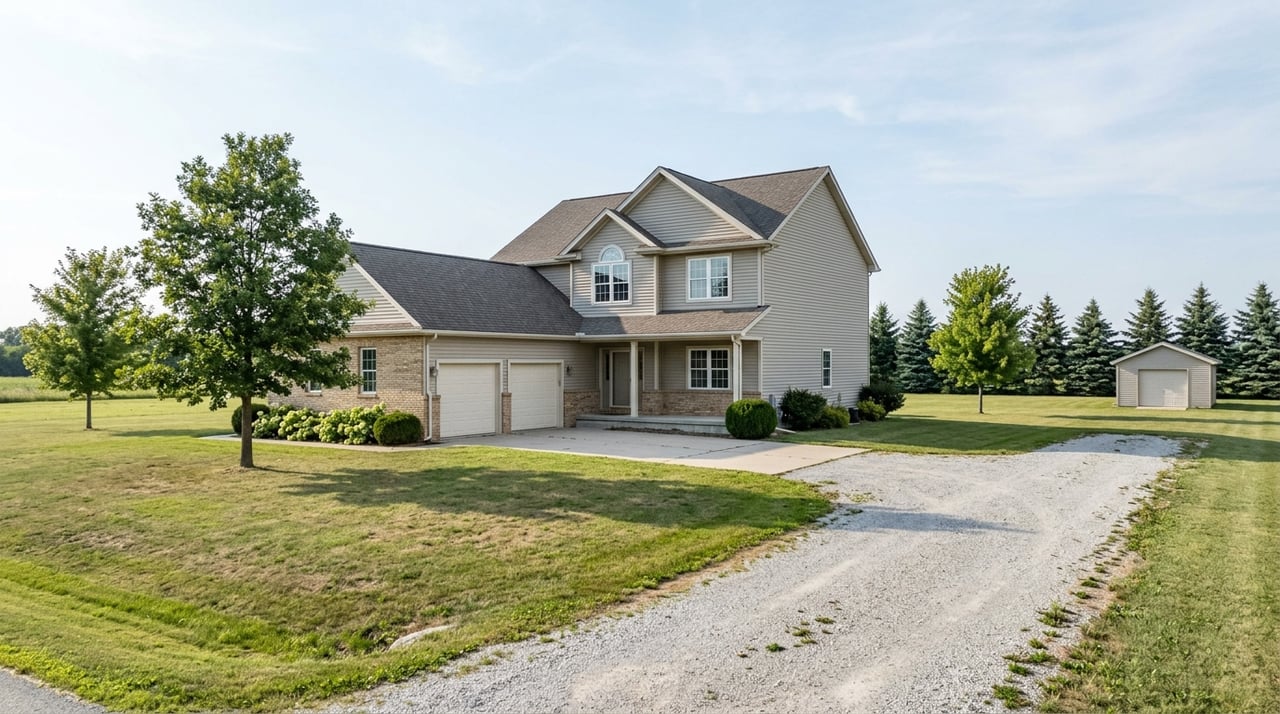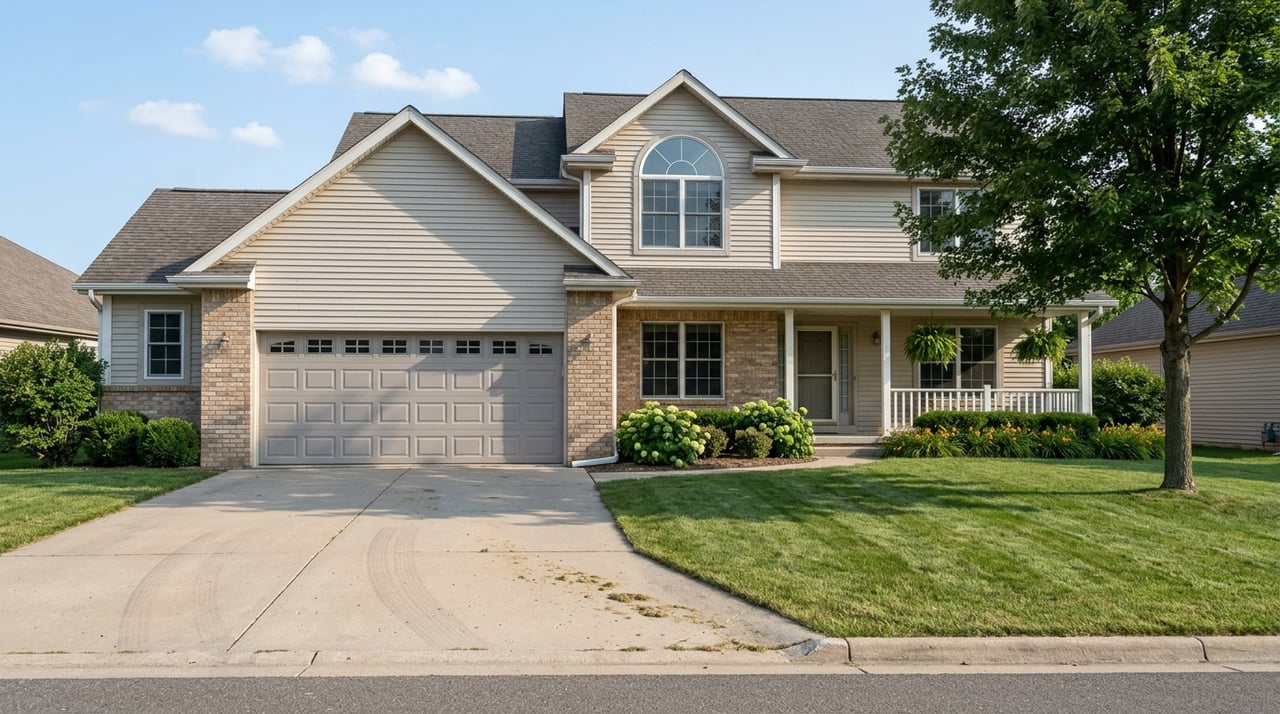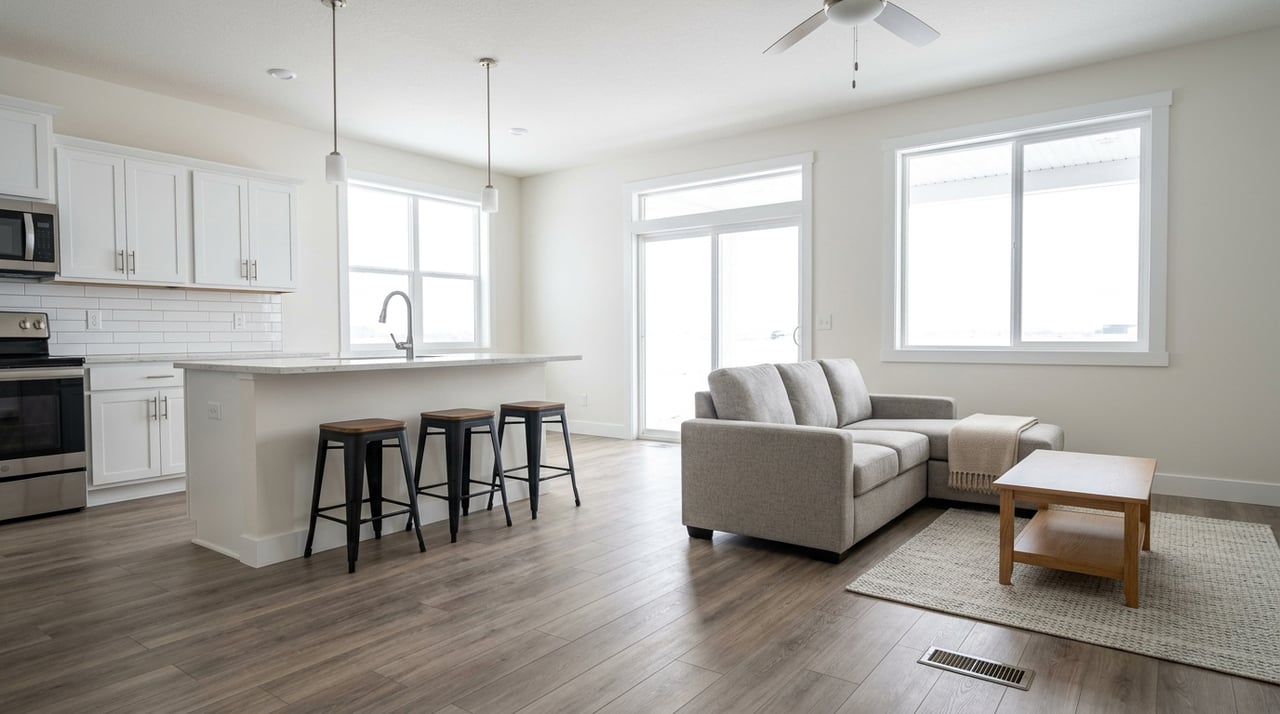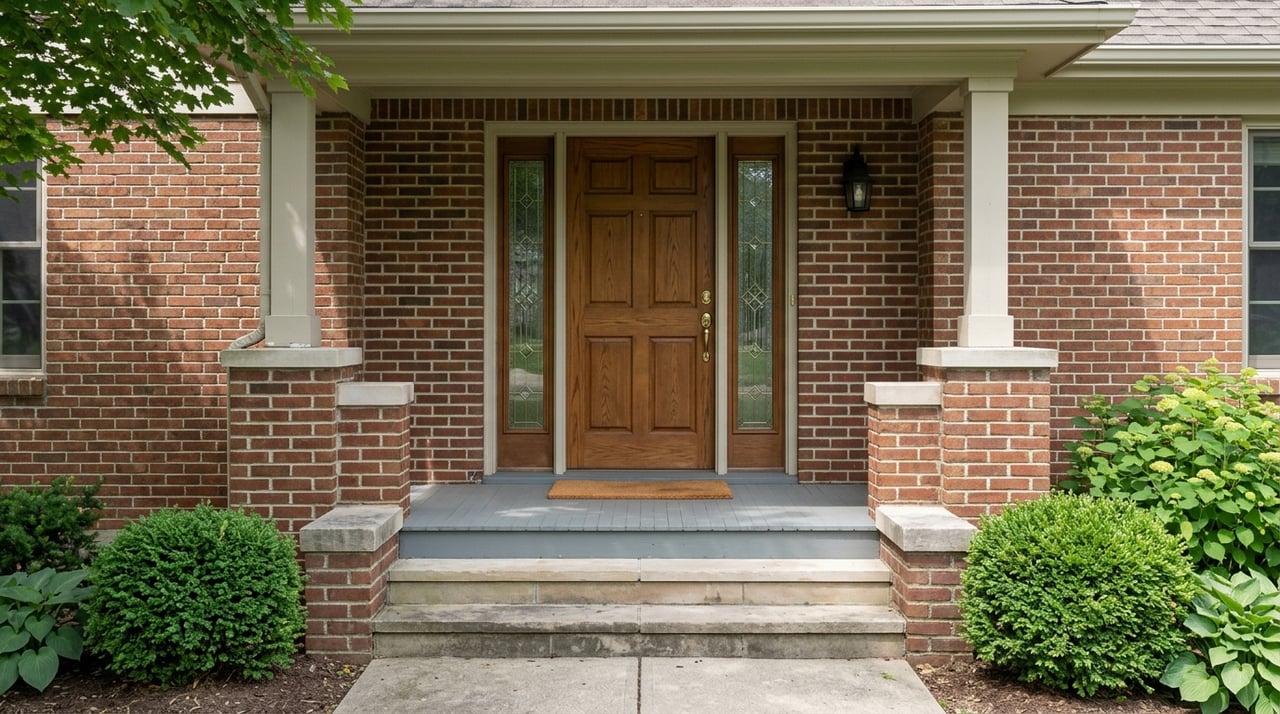
Selling a historic home in Kankakee is not the same as selling a typical older house. Buyers notice character right away, but they also want clarity about condition, updates, and any rules that may affect the property. If you want to protect your home’s story and make smart decisions before you list, this guide will walk you through what matters most. Let’s dive in.
Know what makes your home historic
In Kankakee, historic homes often carry value beyond square footage and bedroom count. The Riverview Historic District, located less than a mile from downtown, is known by the City of Kankakee for custom-built homes, many more than 100 years old, on large lots with mature trees and period street lighting.
The National Park Service record for Riverview shows a mix of late Victorian, Bungalow and Craftsman, and late 19th- and 20th-century revival styles. That matters when you sell because buyers are not just comparing your home to any older property. They are often looking at it as a character home with architectural identity.
Understand National Register vs local rules
One of the biggest points of confusion is what historic status actually means. If a property is listed on the National Register, that status alone does not place federal restrictions on what a private owner can do unless federal assistance or permitting is involved.
Local rules are the part sellers need to take seriously. In Kankakee, the historic preservation ordinance creates a Historic Preservation Commission and requires a Certificate of Appropriateness before a building, moving, or demolition permit is issued for designated landmarks or structures in a historic district.
The ordinance also applies to construction, alteration, demolition, or removal that affects a significant exterior architectural feature. In plain terms, exterior work that seems minor to you may still need review if your property is locally designated.
Check exterior projects before listing
If you are thinking about doing pre-listing improvements, slow down before changing the exterior. Kankakee’s local ordinance matters most here, especially if your home is in a designated historic district or is a designated landmark.
The Historic Preservation Commission uses the Secretary of the Interior’s Standards for Rehabilitation. Those standards focus on retaining historic character, preserving distinctive features and craftsmanship, repairing historic features when possible instead of replacing them, and making additions compatible with the property.
That means a rushed exterior update can create problems instead of value. Before replacing trim, windows, porch details, siding elements, or other visible features, make sure you understand whether review is required.
Repair before you replace
Historic homes often have original details that buyers love. Woodwork, trim profiles, old windows, built-ins, brickwork, and porch features can help your home stand out when they are well maintained.
Preservation standards favor repair over replacement when repair is feasible. For sellers, that can be a smart mindset. A careful repair that keeps original character visible may support your home’s appeal better than a generic update that removes what makes it special.
This does not mean every old feature should stay untouched. It means you should think strategically. Buyers usually respond best when a historic home feels cared for, functional, and honest about its age.
Stage for character and comfort
Historic homes benefit from staging, but the approach should fit the architecture. A Victorian home, a Craftsman bungalow, and a revival-style home do not all call for the same look.
The best staging supports the home’s architecture instead of hiding it. Based on preservation standards, a good rule is to keep authentic character visible and avoid fake period additions or overdone styling that feels forced.
Research from NAR shows why this matters. In 2025 research, 83% of buyers’ agents said staging made it easier for buyers to visualize the property. Nineteen? No. Also, 29% of agents reported a 1% to 10% increase in the dollar value offered, and nearly half of sellers’ agents observed faster sales.
A few staging basics can go a long way:
- Declutter surfaces and floors
- Deep clean every room
- Remove bulky furniture that blocks flow
- Use neutral decor as a backdrop
- Keep the home warm and livable, not over-styled
- Highlight architectural details instead of covering them
Rooms that deserve the most attention include the living room, primary bedroom, and kitchen. Those are the areas buyers care about most and the rooms most often staged.
Use listing photos to tell the story
Historic homes need strong photography because the online first impression is everything. NAR reports that 81% of buyers rated listing photos as the most useful feature in their online search, and the first image helps set expectations for the rest of the listing.
For a historic home in Kankakee, photos should do two jobs at once. They should show the home clearly and honestly, while also helping buyers understand its style, layout, and details.
That usually means prioritizing:
- Exterior shots that show curb appeal and setting
- Living spaces with visible architectural detail
- The kitchen and primary bedroom
- Original features that add character
- Clean, bright images with true-to-life color
If virtual staging is used, it should be disclosed when it materially alters the property. Clear presentation builds trust, especially with buyers who may be comparing your home online before they ever step inside.
Write a listing that answers buyer questions
Beautiful photos bring buyers in, but the listing description helps them decide whether to schedule a showing. NAR notes that listing descriptions work best when they answer common buyer questions early, especially about condition, updates, and how the home fits daily living.
For a historic home, that means your marketing should go beyond charm. Buyers want to know what has been updated, what has been maintained, and what they may need to plan for.
A strong historic-home listing often highlights:
- Architectural style n- Approximate era or historic context
- Major system updates
- Roof, chimney, window, or foundation information when relevant
- Layout features that support daily living
- Outdoor features like lot size, porch space, or mature landscaping
The goal is simple. You want buyers to see both the character and the practicality.
Gather records before your home hits the market
Good preparation can make a historic sale smoother. Illinois law requires sellers to deliver the Residential Real Property Disclosure Report before signing a contract.
If you later learn about an error, inaccuracy, or omission before closing, you must provide a written supplemental disclosure. Sellers must disclose material defects they actually know about, but they are not required to conduct a specific investigation.
For historic homes, that disclosure process matters because the Illinois form asks about a wide range of issues, including:
- Foundation or basement problems
- Roof and chimney leaks
- Walls, windows, doors, and floors
- Electrical and plumbing systems
- Heating and cooling systems
- Septic or sewer issues
- Radon, asbestos, and lead hazards
- Termites
- Underground fuel tanks
- Boundary disputes
- Unresolved code violations
Before listing, it helps to gather:
- Permit records
- Contractor invoices
- Inspection reports
- Maintenance logs
- Warranty information if available
- Dated photos of repairs or upgrades
This kind of paper trail can help you answer questions quickly and show buyers that the home has been cared for responsibly.
Be ready for lead-based paint questions
If your home was built before 1978, lead-based paint disclosure rules apply. Sellers must disclose known lead-based paint and known lead hazards before the sale, and buyers must be given an opportunity for an independent lead inspection.
This does not mean every older home has a major issue. It means historic-home sellers should be organized and ready for the conversation.
If you have renovation records for painted surfaces, window work, trim repairs, or similar updates, keep them handy. If work disturbed lead paint in a pre-1978 home, lead-safe renovation practices matter as well.
Price with condition and character in mind
Historic homes can attract strong buyer interest, but pricing still needs to reflect reality. Character adds appeal, yet buyers will weigh that appeal against maintenance needs, system updates, and any known issues.
That is why preparation and presentation matter so much. A well-staged, well-photographed, clearly documented historic home often gives buyers more confidence than a similar property with vague updates and unanswered questions.
In Kankakee, local knowledge also matters. Buyers looking in areas like Riverview may respond differently to original features, lot size, and architectural style than buyers comparing more typical homes elsewhere in the county.
Why local strategy matters in Kankakee
Selling a historic home the right way is part design decision, part documentation process, and part local rule awareness. You need a plan that respects what makes the home special while also making it easy for buyers to understand its condition and value.
That is where a design-forward, photography-first strategy can make a real difference. Historic homes usually do best when the details are curated carefully, the marketing tells a clear story, and the seller avoids pre-listing changes that could hurt character or trigger avoidable complications.
If you are preparing to sell a historic home in Kankakee, the right guidance can help you protect the features that matter, present the home beautifully, and move forward with confidence. When you are ready to talk through your next steps, schedule a free consultation with Annie Mitchell.
FAQs
Does National Register status restrict my Kankakee home sale?
- No. National Register listing by itself does not impose federal restrictions on a private owner unless federal assistance or permitting is involved. Local historic rules in Kankakee are the bigger issue to review.
Do I need approval for exterior changes on a historic home in Kankakee?
- If your property is a designated landmark or in a designated historic district, Kankakee may require a Certificate of Appropriateness before certain permits are issued, especially for work affecting significant exterior architectural features.
Should I replace original windows or trim before selling a historic home?
- Not automatically. The preservation standards used by Kankakee favor repairing historic features rather than replacing them when repair is feasible.
What disclosures matter most when selling an older home in Illinois?
- Illinois sellers must provide the Residential Real Property Disclosure Report before a contract is signed and must supplement it in writing if they later learn of an error or omission before closing.
What should buyers know about a historic home in Kankakee?
- Buyers usually want clear information about condition, updates, known defects, and how the home functions for daily living, along with details that explain the property’s architectural character.
Do I need lead-based paint disclosure for a pre-1978 Kankakee home?
- Yes. If the home was built before 1978, sellers must disclose known lead-based paint and known lead hazards, and buyers must be given an opportunity for an independent lead inspection.
What marketing works best for a historic home listing?
- Strong listing photos, thoughtful staging, and a clear description of condition, updates, and character tend to matter most. The goal is to help buyers see both the charm and the livability of the home.