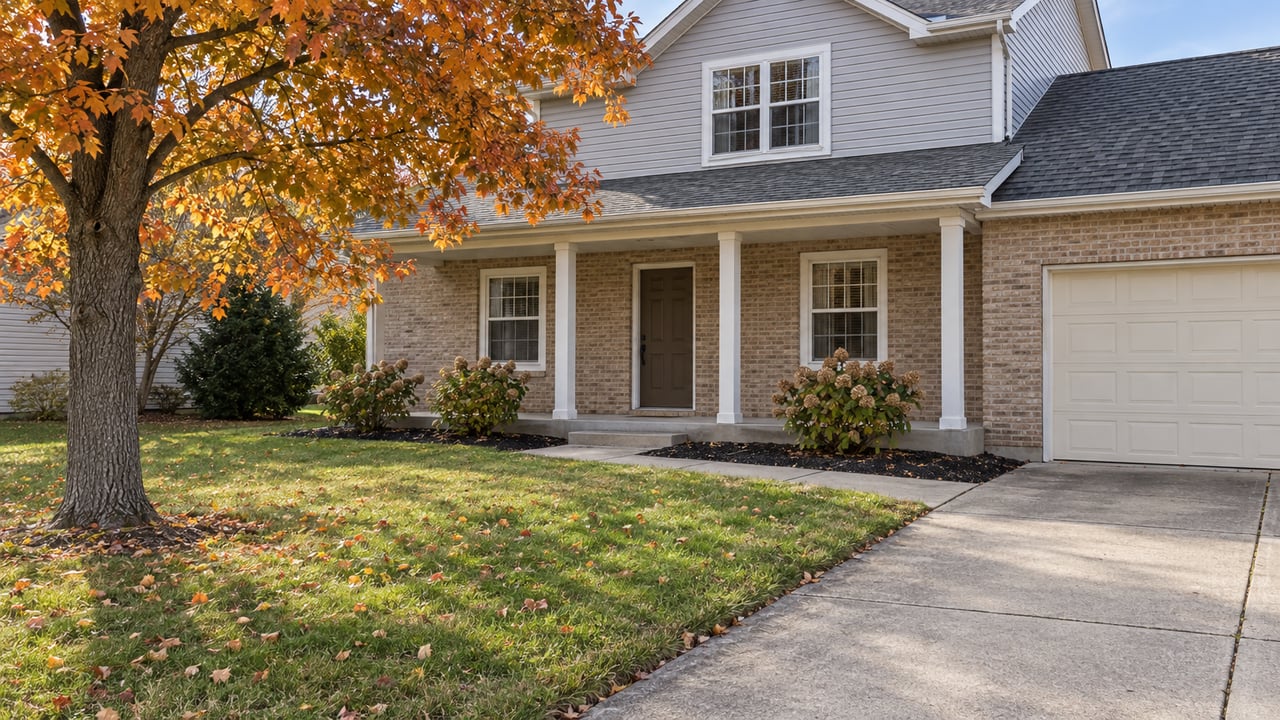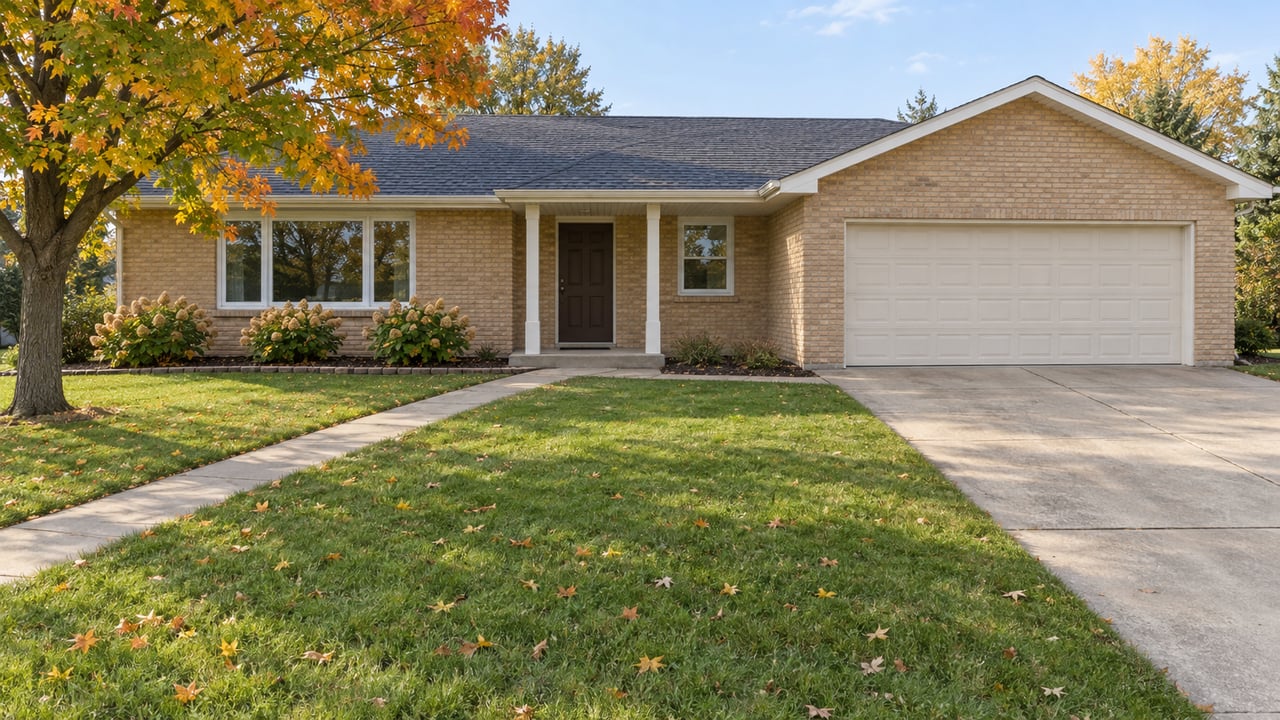
If you want to attract Chicago-area commuters to your Grant Park home, your marketing needs to do one thing well: help buyers picture an easier daily rhythm. Many buyers are not looking for a walk-to-train lifestyle here. They are looking for more space, less congestion, and a home that makes the commute feel worth it. This is where smart presentation matters, and this guide will show you how to position your home for that buyer. Let’s dive in.
Lead With the Real Grant Park Lifestyle
Grant Park has a very different feel from denser Chicago-area suburbs, and that difference can be a strength. The village describes itself as a farm community, and with a population of 1,294 in the 2020 census, it offers a quieter, lower-density setting that many buyers will immediately notice.
When you market your home, focus on what that setting means in daily life. You can highlight space, privacy, calmer streets, and room to spread out. For commuters, that message often lands better than trying to make the location sound more transit-centered than it is.
Frame the Commute Honestly
The strongest commuter story for Grant Park is road access first, with rail as a nearby option. Local transportation sources show that Illinois Route 1 runs through Grant Park and connects Chicago with downstate Illinois, while Illinois Route 17 connects to I-57 and I-55.
That matters because buyers want practical information. Instead of using vague phrases about an "easy commute," your listing should show how the home fits real routines. A clear, grounded message builds trust faster than overpromising convenience.
Mention Nearby Rail as a Backup Option
Grant Park is not a walk-to-rail market, and your marketing should reflect that. Kankakee County’s transportation information points to commuter rail access through Metra in University Park, with the Electric line terminating there, and Amtrak access in Kankakee.
For the right buyer, that can still be useful. If someone drives most days but likes having another option nearby, that detail supports the lifestyle story. The key is to present rail as a regional convenience, not as the main identity of the location.
Focus on What Commuter Buyers Actually Want
Buyer trends help clarify where to put your energy. In NAR’s 2024 buyer data, the biggest neighborhood-choice factors were quality of neighborhood at 60%, affordability at 39%, convenience to job at 38%, and availability of larger lots or acreage at 28%.
Public transportation ranked much lower at 6%. That is especially important in a place like Grant Park. Buyers considering this area are often making a tradeoff in a positive way: a longer or more highway-based commute in exchange for more house, more yard, and a quieter setting.
Build Your Message Around Value and Space
Your listing should answer a simple question: Why is this home worth the drive? Usually, the answer is not one feature. It is the full package of interior space, outdoor space, parking, and a more relaxed pace of life.
If your home has a larger lot, a deep backyard, a driveway with ample parking, or extra living space, those details should be front and center. Buyers want to see what they gain by choosing Grant Park over a closer-in suburb.
Stage for Hybrid Life
Many commuter buyers are not commuting five days a week in the same way they once did. That makes flexibility a major selling point. Your home should feel ready for office time, downtime, and everyday living without making any one room feel too narrow in purpose.
NAR reporting suggests buyers and stagers increasingly respond well to flexible work areas such as nooks, dens, and multipurpose rooms. It also notes that buyers may be willing to compromise on a formal home office, which means you do not need a perfect dedicated office to tell a strong story.
Show a Flex Space Clearly
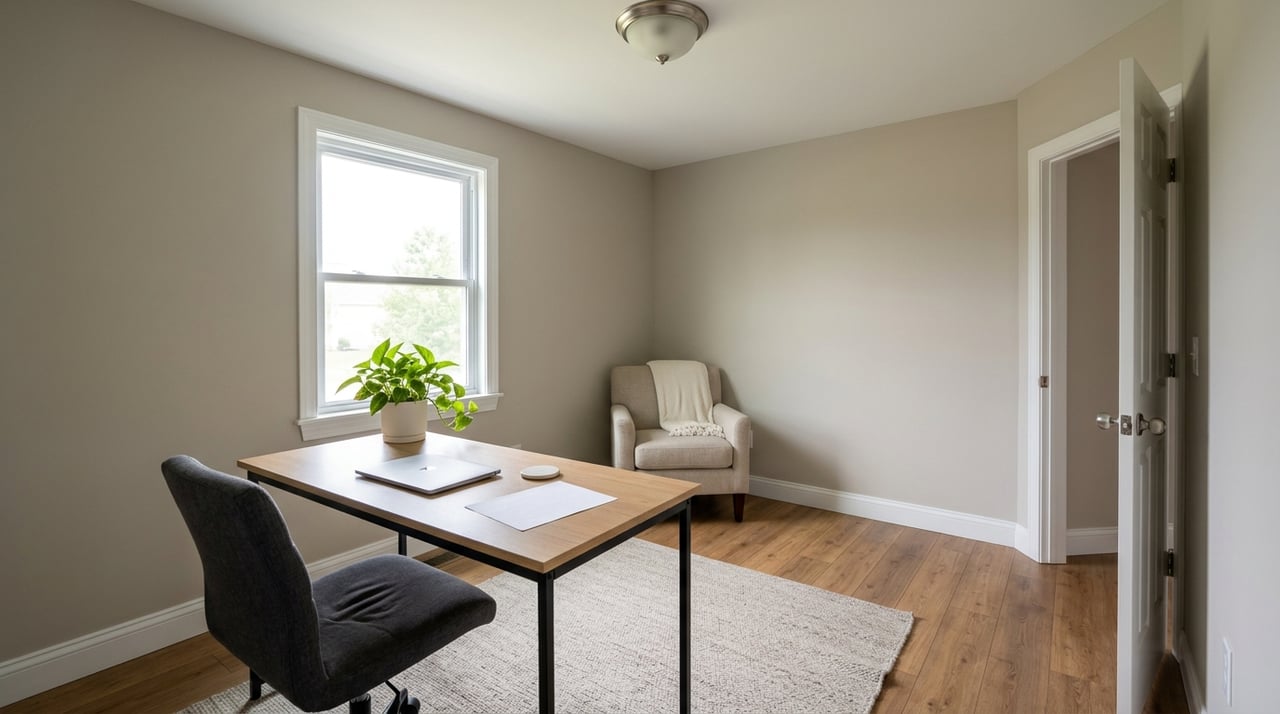
If you have a spare bedroom, landing, den, or quiet corner, style it with a simple desk and chair setup. Keep it light, clean, and believable. Buyers should be able to imagine using it for work, homework, or household planning.
Avoid making the area feel overly staged or too specialized. A commuter buyer usually wants options. The best setup shows that the home can support work when needed and still feel like home the rest of the time.
Make the Yard Part of the Selling Story
For Grant Park homes, the outdoor space may be one of your strongest advantages. NAR describes backyard and patio staging as lifestyle storytelling, and that idea fits this market well. Buyers are not just comparing square footage. They are comparing how life feels on the property.
A yard should read as useful living space, not just open land. That means helping buyers understand how they could actually use it after work or on weekends.
Create Simple Outdoor Zones
The most effective outdoor staging usually breaks the yard into easy-to-read uses:
- A sitting area for relaxing
- A dining area for meals or coffee
- An open area for play, pets, or gatherings
You do not need elaborate landscaping or expensive furniture. A few thoughtful touches can help buyers connect the outdoor space to everyday living. In a small-town market like Grant Park, that emotional connection can be powerful.
Prioritize the Rooms That Matter Most
Even when you are marketing a commuter-friendly lifestyle, the basics still matter most. NAR’s 2025 staging report identifies the living room, primary bedroom, dining room, and kitchen as some of the most important rooms to stage.
These are the rooms that help buyers imagine coming home at the end of the day. They should feel bright, comfortable, and easy to maintain. That is especially important for buyers who may already be thinking about commute time and want the home itself to feel simple and rewarding.
Keep the Look Clean and Uncomplicated
A design-forward approach works best when it feels natural. Clear surfaces, balanced furniture placement, and neutral styling help rooms look larger and more functional. The goal is not to impress buyers with trends. It is to help them picture their own routines in the space.
That same principle applies to kitchens and dining areas. Buyers want to see places where mornings can run smoothly and evenings can feel calm.
Treat Your Online Listing Like the First Showing
Most buyers will meet your home online before they ever step inside. NAR says more than 90% of buyers search online, and 85% say photos are the most important factor in deciding which homes to view.
That means your digital presentation cannot be an afterthought. If your listing photos are dark, incomplete, or confusing, many buyers may move on before they understand the home’s value.
Include the Visuals Buyers Use Most
According to NAR, internet users find these listing features especially useful:
- Photos
- Detailed property information
- Floor plans
- Virtual tours
- Neighborhood information
For a Grant Park commuter audience, each one supports a practical decision. Buyers want to understand layout, lot use, parking, and how the home fits daily life.
Photograph the Features That Support the Commute
Professional photography should not just show attractive rooms. It should also answer commuter-buyer questions. Strong images often include:
- The flex space or office nook
- The exterior from a clean, flattering angle
- The yard and any patio or deck area
- Parking areas, driveway space, and garage
- Bright main living spaces with natural light
Simple, truthful images usually work best. NAR notes that overly cliché props can distract buyers, so aim for a clean and useful look rather than a heavily produced one.
Write Listing Remarks That Match the Buyer
The words in your listing should support the visuals and the location story. This is not the place for generic phrases that could describe any suburban home. Your remarks should connect the property to the kind of buyer most likely to appreciate Grant Park.
That means emphasizing space, function, and lifestyle. Think about the buyer who wants more breathing room while keeping workable access to Chicago and the wider region.
What to Highlight in the Description
Good listing remarks for this audience often mention:
- Spacious lot or yard
- Flexible rooms for work or hobbies
- Parking and garage functionality
- Comfortable indoor-outdoor living
- Access routes via Illinois Route 1 and Route 17
- Nearby regional rail options in University Park or Kankakee
Keep the tone factual and confident. The goal is to make the home feel both appealing and practical.
Answer the Tradeoff Before Buyers Ask
Many Chicago commuters considering Grant Park are already weighing a tradeoff. They know the home may not be in a closer-in suburb. What they want to know is whether the extra space and quieter setting truly improve daily life.
Your marketing should answer that head-on. Show how the property supports a smoother morning, a better evening, and a more enjoyable weekend. When buyers can see the lifestyle benefit clearly, the location starts to make more sense.
Why Presentation Matters More Here
In a market like Grant Park, presentation is not just about looking polished. It is about helping the right buyer recognize value quickly. Staging, photography, and clear messaging can make the difference between a home that feels "too far" and one that feels like a smart move.
NAR’s consumer guidance on staging notes that it helps buyers visualize the home as their future home, and many agents reported that staged homes either sold faster or drew 1% to 10% more in offered value. For commuter-minded buyers comparing options carefully, that visual clarity can be especially important.
If you are preparing to sell in Grant Park, the strongest marketing plan will not try to imitate a transit-heavy suburb. It will showcase what makes your home and your location genuinely appealing: room to live, flexible space, useful outdoor areas, and realistic commuter access. For tailored guidance on staging, presentation, and marketing your home to the right buyers, connect with Annie Mitchell.
FAQs
How should you market a Grant Park home to Chicago commuters?
- Focus on space, privacy, flexible living areas, outdoor usability, parking, and practical highway access, with nearby rail presented as an added option rather than the main feature.
What commuter routes matter most for Grant Park homebuyers?
- Local sources indicate that Illinois Route 1 runs through Grant Park and Illinois Route 17 connects to I-57 and I-55, making the commute story primarily road-based.
Is Grant Park a walk-to-train market for buyers?
- No. The stronger local positioning is highway-first, with regional rail access available through University Park for Metra and Kankakee for Amtrak.
What rooms should you stage when selling a Grant Park home?
- The highest-priority rooms typically include the living room, primary bedroom, dining room, and kitchen, along with any flexible nook or room that can support work or hobbies.
Why does outdoor space matter when selling in Grant Park?
- Outdoor space helps buyers picture more everyday living value, especially in a small-town setting where yard size and usable exterior areas can be a key advantage.
What listing photos matter most for Grant Park buyers?
- Clear, professional photos of the main living spaces, yard, exterior, parking, garage, and any flex workspace help buyers understand how the home supports both commuting and daily life.