Thinking about living in Grant Park while working in Chicago? You are not alone. Many buyers love the idea of more space, quieter streets, and a close-knit village, but want clear answers on the commute. In this guide, you will get realistic travel times, rail and driving options, housing insights, and everyday amenities so you can decide with confidence. Let’s dive in.
Why Grant Park appeals to commuters
Grant Park is a small, incorporated village in northeastern Kankakee County with a 2020 population of 1,294. That small scale shapes daily life and housing options. You will find more space, larger lots, and a semi-rural feel that is hard to match closer to the city. For many, the tradeoff is a longer, but manageable, commute a few days a week.
If you split your time between the office and home, or your job is in nearby suburbs, Grant Park can be a practical base. The key is matching your route and schedule to the realities on the ground.
Where Grant Park sits and getting to Chicago
Grant Park lies about 50 miles south of downtown Chicago by the most common routes. Drivers typically use local roads to reach I-57 northbound, then follow I-57 and I-94 toward the Loop. Expect congestion to increase as you approach the Southland and downtown core.
Drive time reality check
Off-peak, door-to-door trips to the Loop can take roughly 60 to 80 minutes. During weekday peaks, plan for 90 to 150 minutes or more depending on incidents and weather. If you need to be at a specific downtown address by a tight time window every day, that extra variability matters.
A good planning step is to confirm the baseline distance and test-drive your likely route. You can start with a straight-line estimate of the roughly 50-mile trip, then run real-time checks at your actual commute hours for a week.
Park-and-ride via Metra Electric
There is no commuter rail station inside Grant Park. The nearest is University Park, the southern terminus of the Metra Electric District line to Millennium Station. Most residents drive 15 to 30 minutes to University Park, then ride the train into the city. Depending on train frequency, transfer, and walk time, door-to-door trips commonly run about 75 to 120 minutes one way. The upside is avoiding downtown driving and parking, which can reduce stress on heavy-traffic days.
Occasional trips on Amtrak
For occasional Chicago trips, some residents drive 15 to 25 minutes to the Kankakee Amtrak station and take a direct train to Union Station. The train leg is typically about 1 hour 20 minutes to 1 hour 35 minutes. Because frequency is limited compared with Metra, this option is best for planned, occasional office days or meetings.
Airports and business travel
Chicago Midway and O’Hare are reachable in roughly an hour or more by car, depending on traffic. Many travelers from Grant Park schedule flights outside of peak commuting windows to improve reliability.
Commuting to Naperville or Arlington Heights
If your office is in west or northwest suburbs like Naperville or Arlington Heights, plan carefully. Those hubs are 70 to 80-plus miles from Grant Park depending on the route. Typical drive times are often 1.5 to 2 hours or more. Some commuters mix modes, but the transfers and total time often outweigh the benefit. If this is your situation, test the full route at your target arrival time before you buy.
Housing and lot sizes in Grant Park
What you will find
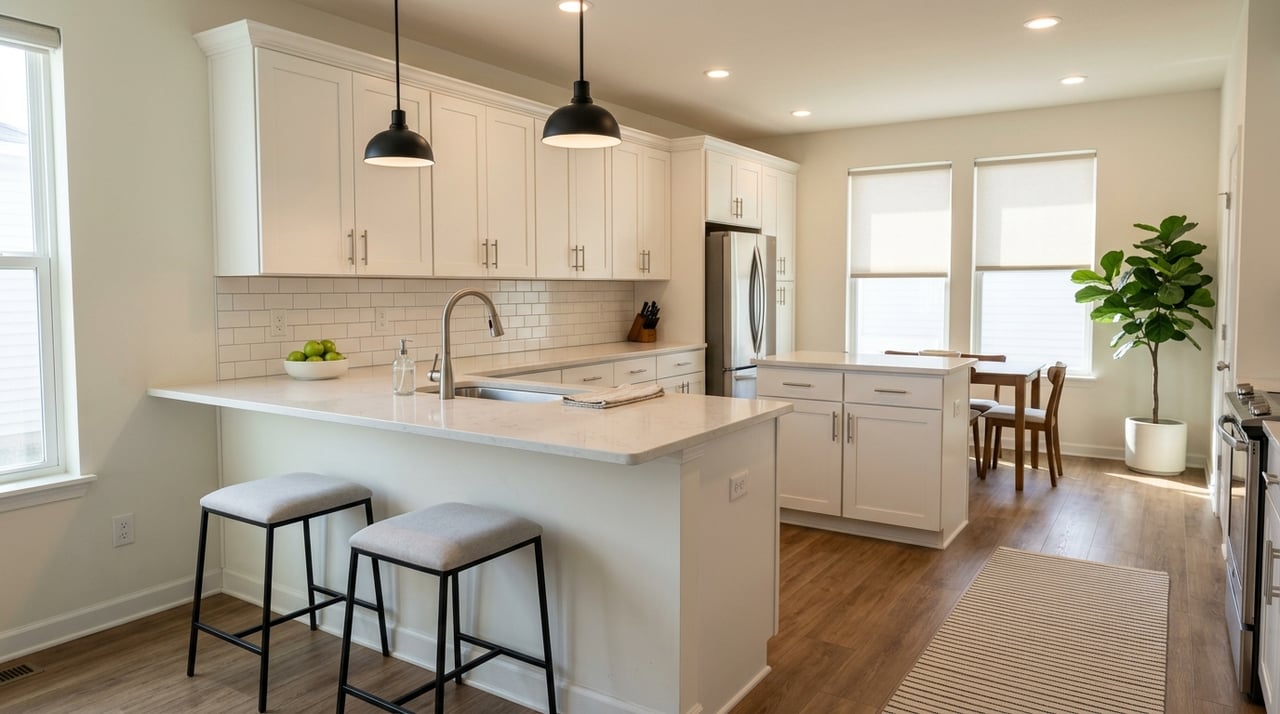
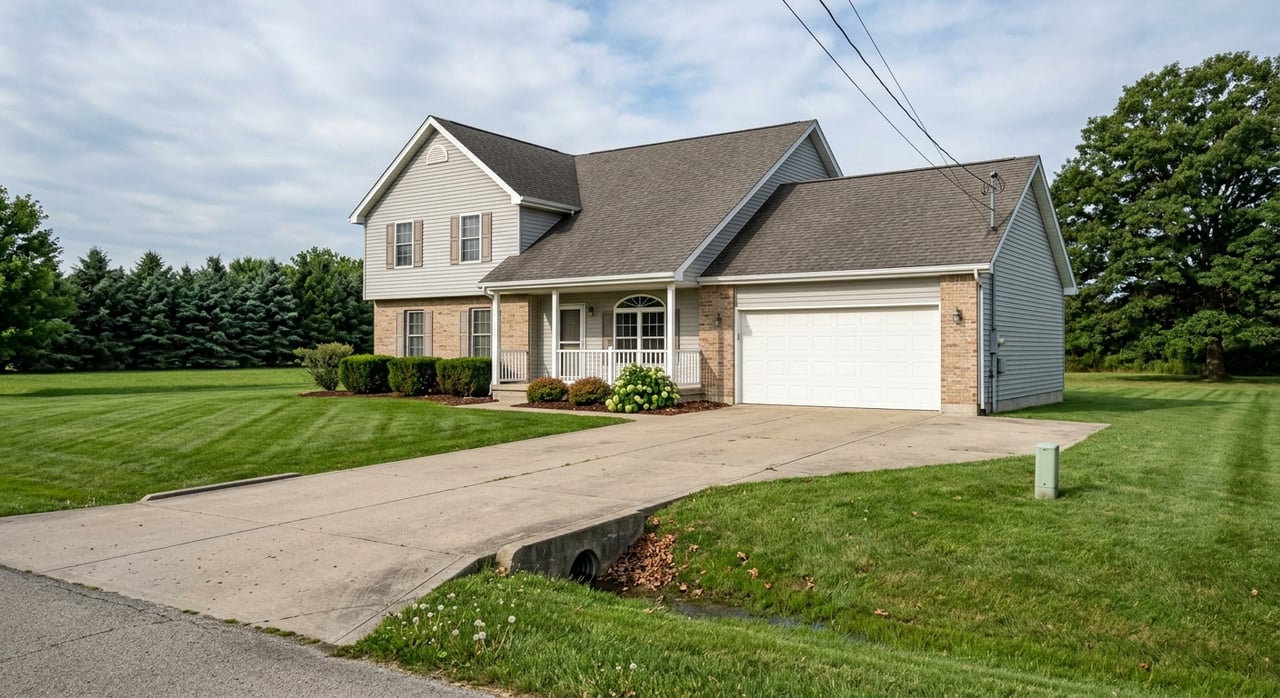
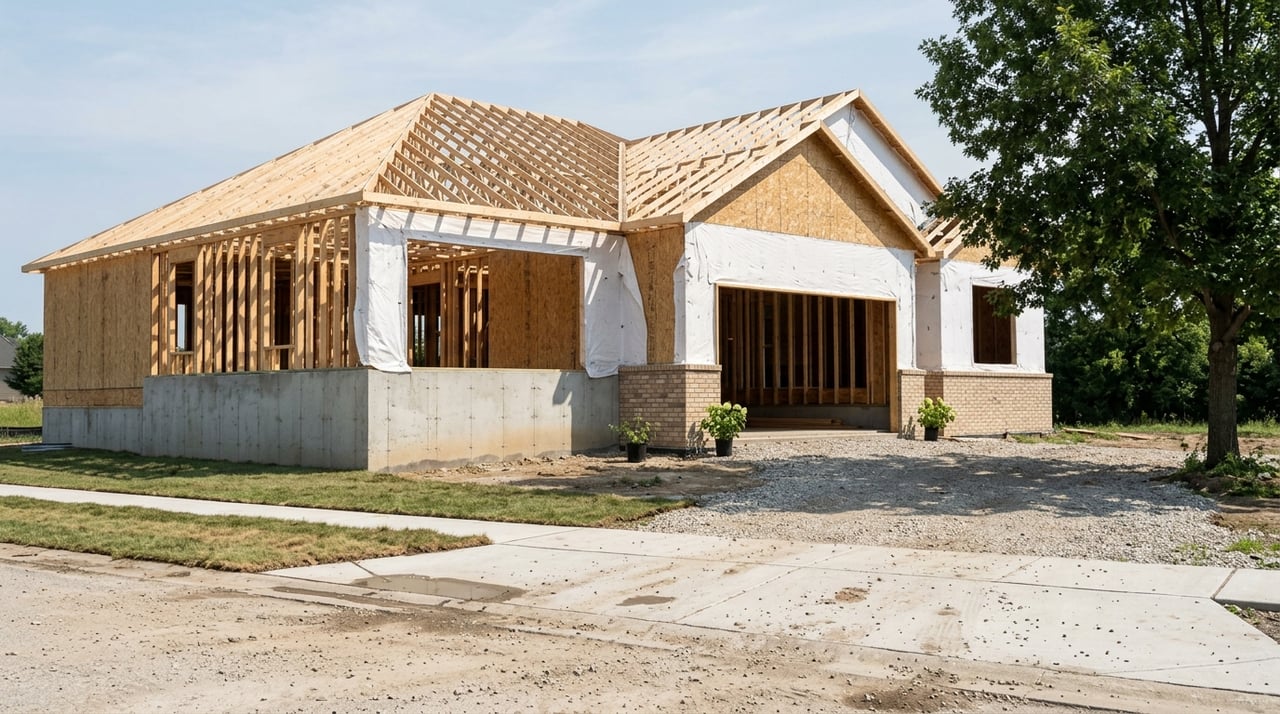
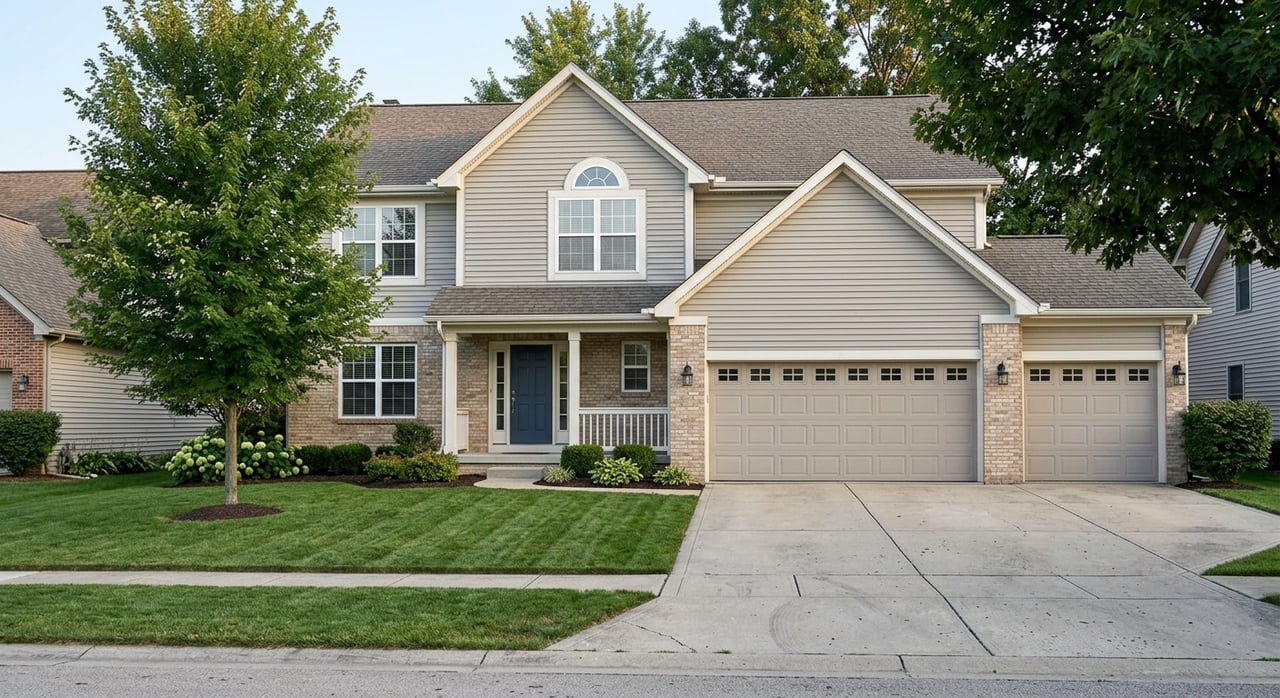
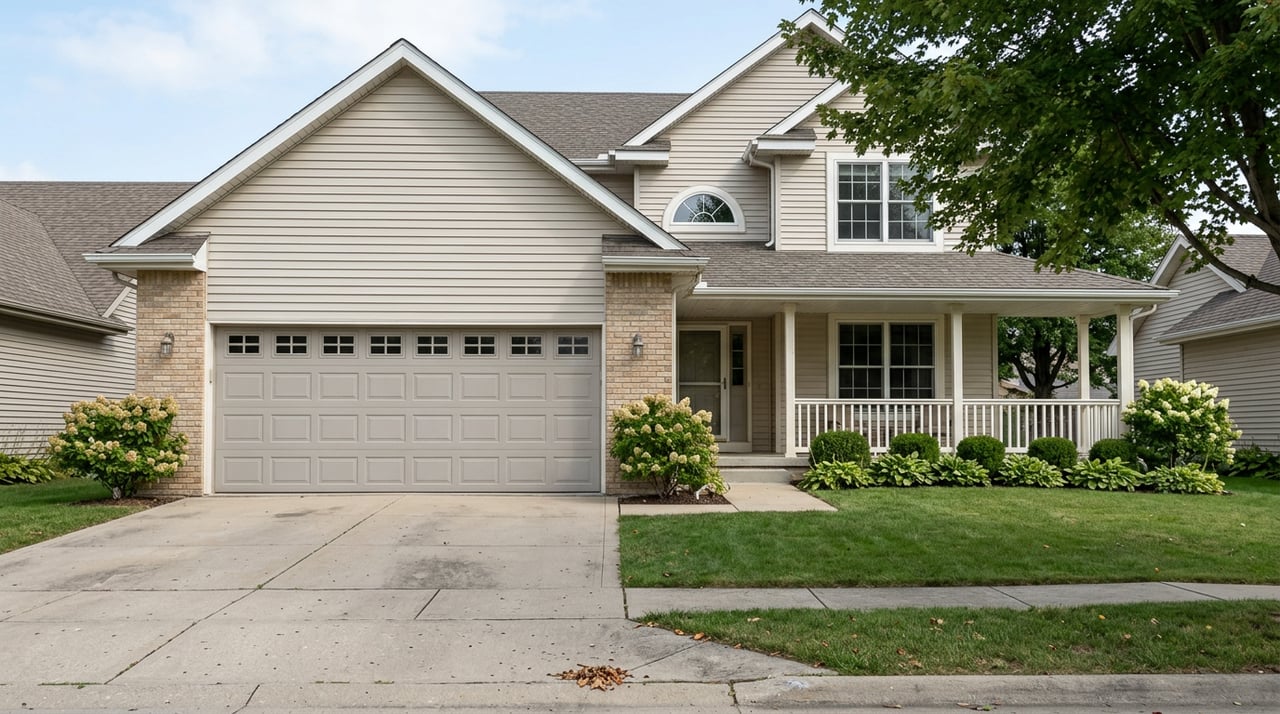
Grant Park’s housing stock is primarily single-family homes on larger lots, including older farmhouses and scattered newer builds. You will also find small private lake communities, such as Lake Metonga, with lake-access homes and small HOAs. Compared to denser suburbs, the setting feels open and quiet, with room for gardens, workshops, and outbuildings where zoning allows.
Prices and taxes to expect
Because Grant Park is a small market, month-to-month numbers can swing. As of June 2025, public portal estimates placed average home values in the low-to-mid $200,000s, while a recent local MLS snapshot showed a median sale price near $310,000. Treat any single figure as a sample rather than a guarantee, and check current comps when you are ready.
Property taxes vary by property and assessed value. Local examples show annual bills in the several-thousand-dollar range, and some parcels report around $8,000 per year. Always confirm the current tax bill, exemptions, and any special assessments before you write an offer.
Daily life, schools, and outdoors
Grant Park offers a small-town core with everyday services, a public library, and village offices. For bigger shopping trips, dining variety, or hospitals, most residents drive to nearby Kankakee and Bourbonnais in about 15 to 25 minutes.
The local school system, Grant Park Community Unit School District 6, serves preschool through high school. Families often appreciate the convenience of a K–12 campus and smaller school sizes. If schools are part of your decision, review current district performance and programs and visit during school hours to get a feel for the experience.
Outdoor time is a strong draw. The Kankakee River corridor and Kankakee River State Park offer trails, paddling, picnicking, and fishing within a short drive. Closer to home, lake-access neighborhoods around Lake Metonga provide a relaxed, lakeside lifestyle.
Is Grant Park a fit for your routine?
Best fit
- You want more land and privacy and like the idea of a quieter village setting.
- You commute to downtown occasionally or follow a hybrid schedule.
- Your job is in a closer suburban hub like Kankakee, Bourbonnais, Manteno, or Will County business parks.
Might not fit
- You need a reliable, short, daily door-to-door commute into the Loop.
- Your job is in outer-ring suburbs like Naperville or Arlington Heights and requires daily, on-time arrival.
5 smart commuter tips
Time-block your trial runs. Test both your driving route and the University Park park-and-ride at your actual arrival and departure hours for a full week.
Keep a flexible Plan B. On heavy-traffic days, the drive plus Metra combo can be more predictable than driving alone, especially if there are expressway incidents.
Consider your parking and last mile. If you drive into the city, confirm garage options near your office. If you take Metra, map the walk from Millennium Station to your workplace.
Check cell and broadband options by address. Coverage can vary by lot, especially on rural or wooded parcels. If you work from home, verify provider options and speeds before you submit an offer.
Budget the true commute cost. Add fuel, parking, Metra fares, and time value. A slightly higher purchase price closer to your job might cost less over time, but if you are hybrid or occasional, Grant Park’s value proposition can pencil out well.
Next steps
If Grant Park’s space, pace, and price point align with your life, the next move is a hyper-local plan. That means pairing the right property type and lot with a commute strategy that fits your schedule. I can help you compare neighborhoods, confirm door-to-door times, and structure an offer that reflects local taxes, utilities, and rural property considerations. Ready to explore homes and map your commute options together? Connect with Annie Mitchell for a friendly, data-informed consultation.
FAQs
How long is the commute from Grant Park to downtown Chicago?
- Expect about 60 to 80 minutes off-peak and 90 to 150 minutes or more at weekday peaks, depending on incidents and weather.
Is there a Metra station in Grant Park, Illinois?
- No; the closest station is University Park on the Metra Electric District line, typically a 15 to 30 minute drive from most Grant Park addresses.
What is the door-to-door time using Metra from University Park?
- Plan for roughly 75 to 120 minutes one way, including the drive to the station, train ride to Millennium Station, and your walk or transfer.
Can I commute from Grant Park to Naperville or Arlington Heights daily?
- It is possible but time-intensive; typical drive times are around 1.5 to 2 hours or more each way, so most people find it impractical five days a week.
What types of homes and lots are common in Grant Park?
- You will mostly find single-family homes, including older farmhouses, newer builds on larger lots, and some lake-access properties near Lake Metonga.
What should I know about property taxes in Grant Park?
- Taxes vary by parcel and assessed value; local examples range from several thousand dollars annually to around $8,000, so verify the current bill for each property.
Are schools located in Grant Park, and which district serves the area?
- Yes; Grant Park Community Unit School District 6 provides local K–12 schools, and families can review current programs and performance directly with the district.
Is cell coverage reliable for remote work on larger lots?
- Major carriers serve the area, but signal strength can vary by exact location; check coverage and broadband options for the specific property address before you buy.