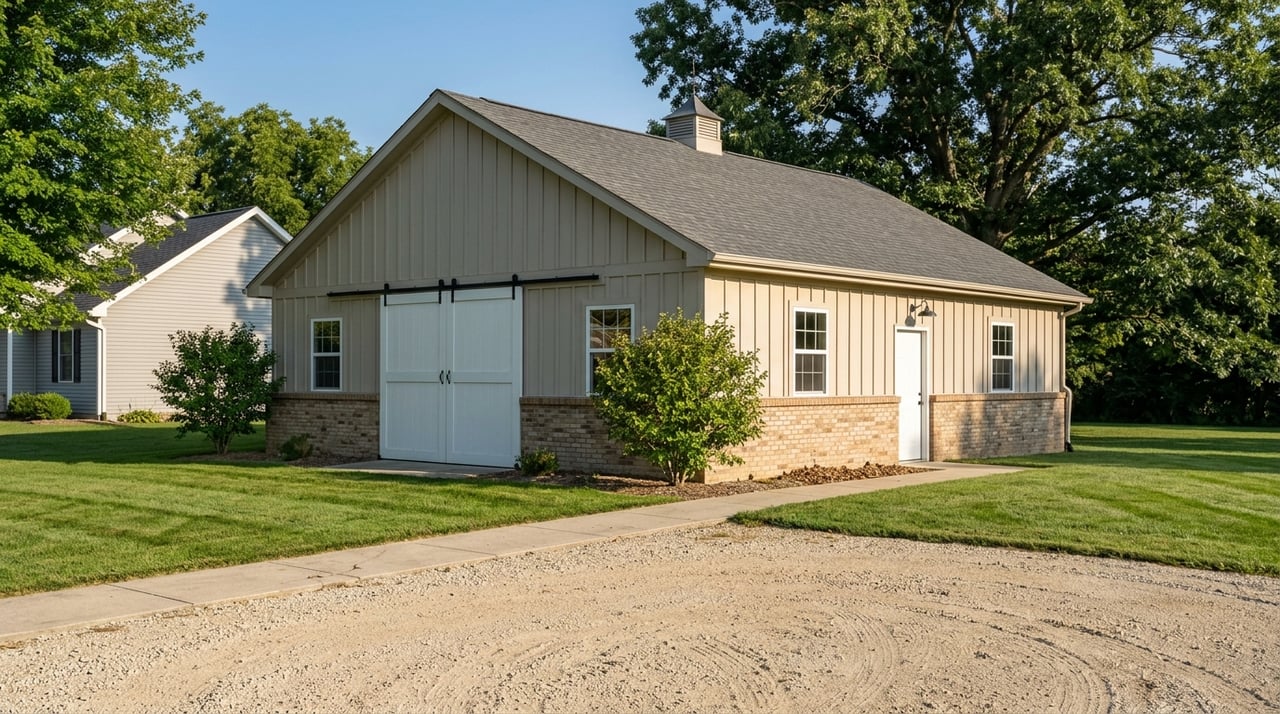
Dreaming about more land, more privacy, and room for horses in Beecher? You are not alone. For many buyers, Beecher offers a rare mix of open space, estate-style living, and access to the greater Chicago region. If you are exploring equestrian or estate properties here, the key is knowing what the land can legally support and what day-to-day ownership really involves. Let’s dive in.
Why Beecher Stands Out
Beecher offers a rural feel that appeals to buyers who want acreage without feeling completely disconnected. According to the Village of Beecher, the village is less than an hour from downtown Chicago and has access to Illinois Route 1, I-80/94, I-57, and I-55. That kind of connectivity can make larger parcels more practical for buyers who still need regional access.
The village also sits in Will County, where surrounding agricultural land patterns help support the appeal of bigger lots, outbuildings, and open acreage. Beecher’s official 2020 Census population was 4,713, which reinforces its small-town scale while still placing it within the broader Chicago metro area. For buyers seeking a quieter property search, that balance is a big part of the draw.
Equestrian Lifestyle in Beecher
If horses are part of your lifestyle, Beecher offers nearby amenities that can add to the experience. The Forest Preserve District of Will County says local riders can access three equestrian trails, including the Wauponsee Glacial Trail, Spring Creek Greenway Trail, and Plum Creek Greenway Trail. These are shared-use trails, so they are best viewed as a recreational benefit rather than a private horse network.
That distinction matters. A property may feel horse-friendly because of its acreage and nearby trail access, but the real answer depends on zoning, allowed uses, and site conditions. In Beecher, lifestyle and legal use are two different questions, and both matter before you buy.
Zoning Comes First
When you look at equestrian or estate properties in Beecher, zoning should be your first filter. The Beecher 2025 zoning ordinance lays out what is permitted, what requires special approval, and what minimum lot standards apply.
For horse-related uses, the AG-1 Agriculture District is generally the clearest fit. It is intended to preserve agricultural uses, requires a minimum lot area of 10 acres, requires 300 feet of frontage, and allows up to five accessory buildings. The ordinance lists farming, stock raising, horse breeding, and domestic animals as permitted agricultural uses, while riding stables are listed as a special use.
The R-E Single Family Residence Estate District works differently. It is designed for large lots in a semi-rural setting and requires 2.5 acres for residential use, with up to three accessory buildings allowed. Riding stables are listed as a special use there, but Beecher also states that accessory uses in residence districts cannot include the keeping of livestock.
In practical terms, that means a large estate lot does not automatically mean horses are allowed. You need to verify the exact zoning and whether your intended use is permitted by right or only through special-use approval. That step is too important to skip.
AG-1 vs. R-E at a Glance
| Zoning District | Minimum Lot Size | Accessory Buildings | Horse-Related Notes |
|---|---|---|---|
| AG-1 Agriculture | 10 acres | Up to 5 | Horse breeding and agricultural animal uses are permitted; riding stables are special use |
| R-E Estate Residential | 2.5 acres | Up to 3 | Riding stables are special use; residence districts do not automatically allow livestock |
This side-by-side view can help you ask better questions early in the process. A listing with acreage may still need deeper review before you assume it can support your plans.
Special-Use Rules Matter
If a property involves a riding stable, riding academy, public stable, or similar larger-scale operation, Beecher’s ordinance adds more requirements. These uses must be at least 200 feet from any property line and must show that odor, dust, noise, and drainage will not create a nuisance. That is an important reminder that even suitable land still has performance standards.
The ordinance also makes clear that special-use approval does not replace other approvals. You may still need building permits, subdivision approval, zoning authorization, and occupancy approval. If you are evaluating a property with existing barns, enclosures, or riding-related improvements, you will want to confirm those approvals are in place.
What to Check Before You Buy
Rural and semi-rural properties can offer flexibility, but they also require a more detailed due-diligence process. Beyond the home itself, you should look closely at how the land functions day to day.
Your checklist should include:
- Zoning district and allowed uses
- Whether horse use is permitted or requires special approval
- Existing outbuildings and whether they were properly permitted
- Fencing condition and layout
- Drainage across the site
- Driveway access for trailers and service vehicles
- Whether animal enclosures have the required approvals
- Occupancy approval for completed structures before use begins
Beecher’s zoning ordinance specifically says questions about parcel use should be directed to the zoning administrator. That makes local verification essential before relying on a listing description or seller assumption.
Wells and Septic Need Extra Attention
Water and wastewater systems deserve special focus on estate and equestrian properties. In areas without sanitary sewers, homes may depend on on-site septic systems. According to Illinois Extension, septic failure can lead to odors, drinking-water contamination, and property damage.
Illinois EPA guidance cited by Extension says septic components should generally be pumped every two to three years, or more often if needed. Private wells also require maintenance and testing, because contamination may not be visible, smelled, or tasted. If you are buying in Beecher, these systems should be part of your inspection strategy from the start.
Land Management Is Part of Ownership
A beautiful property is only part of the equation. If you plan to keep horses or simply want to maintain acreage well, land management becomes part of the long-term value of the property.
Illinois Extension pasture guidance notes that healthy pasture depends on rest, avoiding overgrazing, soil testing, and managing water, shade, and paddock size. That guidance is especially useful for buyers looking at smaller estate-style parcels, where land may feel generous compared with a suburban lot but still need careful planning.
This is where a property’s layout matters as much as its size. Open acreage can be a major asset, but only if it supports the way you intend to use it.
Manure Handling and Sanitation
Manure management is a practical part of horse ownership and a key part of property upkeep. Illinois Extension explains that composting can reduce manure volume and create stable fertilizer, but unfinished compost should be managed to avoid runoff.
That lines up with the USDA NRCS horse-owner guidance referenced in the research, which advises against storing manure where runoff can reach streams or wells and suggests covered storage or a compost bin. Will County’s code also requires proper sanitation for horses and farm animals, including no waste accumulation and no detectable odors beyond property lines. For buyers, this is not just a maintenance detail. It is part of responsible ownership.
Village and County Rules Can Differ
One of the most important details in the Beecher area is jurisdiction. Inside village limits, you need to confirm whether the parcel is zoned AG-1, R-E, or another district, and whether your intended use is allowed outright or only by special use.
Outside village limits, Will County rules may differ. The research report notes that in some rural county districts, including A-2, E-1, and E-2, horses are allowed as of right at a rate of one animal unit per acre, while some residential districts require special use and specific setbacks for animal housing. That is why the property address alone is not enough. You need to know which rules apply to that exact parcel.
What Buyers Often Ask
Many buyers start with the same practical questions, especially if they are moving from a more typical residential property search.
Can you keep horses on a standard residential lot in Beecher? Not automatically. Beecher states that accessory uses in residence districts cannot include livestock, and horse-oriented uses may require special-use approval.
How much land do you need? In Beecher, AG-1 requires at least 10 acres, while the R-E estate district starts at 2.5 acres for residential use. The right answer depends on zoning, intended use, and whether the parcel is inside the village or under county rules.
What should you inspect beyond the house? Wells, septic, drainage, fencing, outbuildings, and manure storage all deserve attention because they affect both usability and maintenance.
Finding the Right Fit in Beecher
Exploring equestrian and estate properties in Beecher is about more than finding a home with extra land. It is about matching your goals to the right parcel, the right zoning, and the right setup for daily use. When you understand the legal framework and the practical upkeep, you can shop with much more confidence.
If you are considering Beecher acreage, estate-style homes, or land with long-term potential, working with a local agent who understands both presentation and property function can make the process much smoother. When you are ready to talk through your goals, connect with Annie Mitchell to schedule a free consultation.
FAQs
Can you keep horses on estate property in Beecher?
- Not automatically. In Beecher, estate-style residential zoning may still require special-use approval, and residence districts do not automatically allow livestock.
What zoning is best for horse property in Beecher?
- AG-1 Agriculture is generally the clearest fit for horse-related uses because the ordinance permits agricultural animal uses there, while some riding-related uses still require special approval.
How much land do you need for an estate property in Beecher?
- Beecher’s R-E estate district requires at least 2.5 acres for residential use, while AG-1 requires at least 10 acres.
What should you inspect on a Beecher equestrian property?
- You should review zoning, wells, septic, drainage, fencing, outbuildings, trailer access, and whether existing animal structures have the proper permits and approvals.
Are there horse trails near Beecher?
- Yes. The Forest Preserve District of Will County lists the Wauponsee Glacial Trail, Spring Creek Greenway Trail, and Plum Creek Greenway Trail as equestrian trail options.
Do Beecher horse properties need manure management plans?
- Owners need proper manure handling and sanitation. Guidance from Illinois Extension and Will County rules both point to the importance of runoff control, waste management, and odor prevention.